
The Best Low Maintenance Balcony Plants for Full Sun and Small Spaces
Your Small Balcony Can Become a Green Oasis — Here’s How
The best plants for apartment balcony spaces depend on your light, wind, and how much time you want to spend caring for them. But if you just want a quick answer, here are the top picks:
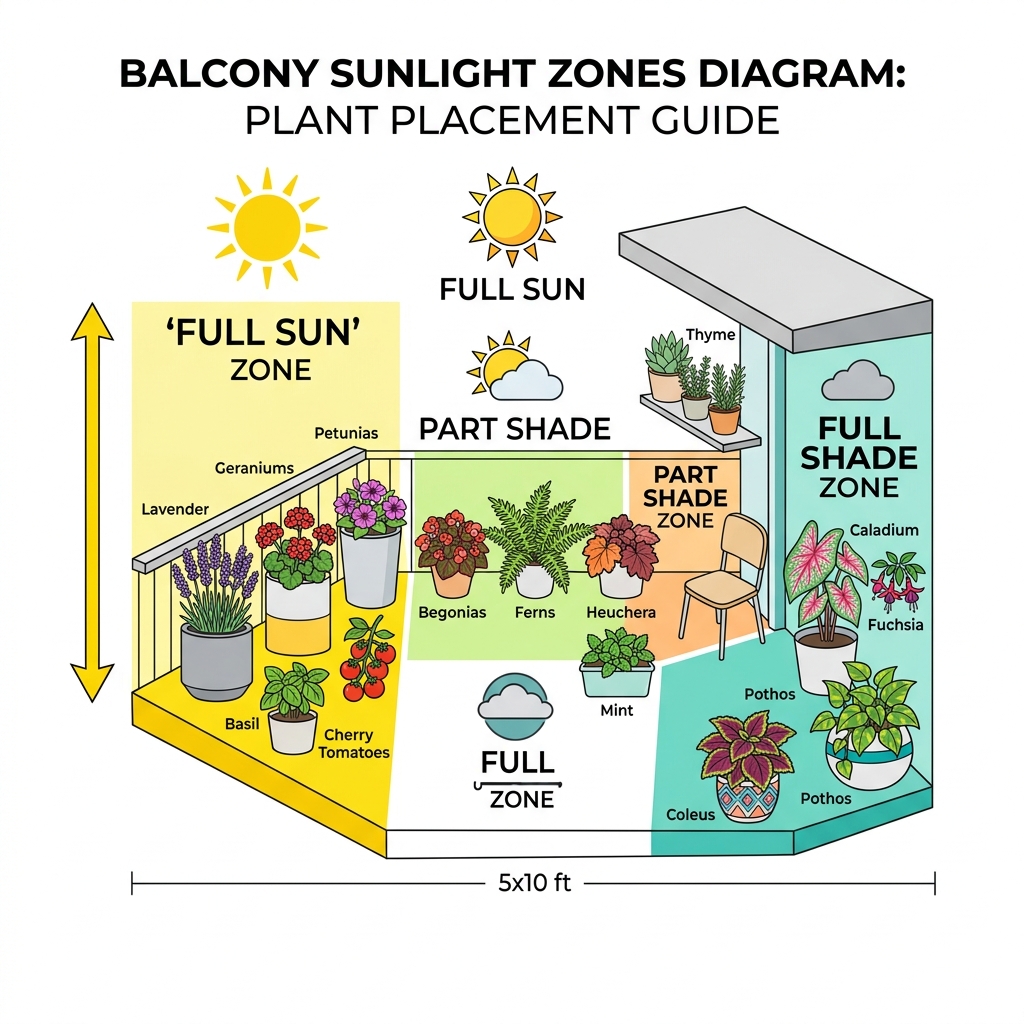
Best plants for apartment balconies at a glance:
| Goal | Top Plant Picks |
|---|---|
| Full sun | Lavender, Geraniums, Petunias, Basil, Cherry Tomatoes |
| Part shade | Begonias, Ferns, Heuchera, Impatiens, Mint |
| Full shade | Caladium, Fuchsia, Pothos, Coleus |
| Privacy | Golden Bamboo, Star Jasmine, Feather Reed Grass |
| Low maintenance | Succulents, Thyme, Portulaca, Rosemary |
| Edibles | Herbs, Lettuce, Strawberries, Chili Peppers |
You don’t need a backyard to grow something beautiful. Even a 5×10 ft balcony can hold herbs, flowers, vegetables, and privacy screens — all in containers.
The challenge? Balconies are tough environments. They get more wind, more heat reflection off concrete, and less consistent rainfall than a garden bed. The wrong plant in the wrong spot will struggle.
But the right plant? It thrives — and so does your outdoor space.
This guide covers exactly what works, organized by light level, goal, and experience level.
Choosing the Best Plants for Apartment Balcony Success
Before we start buying every “cute” plant at the nursery, we need to do a little detective work. Growing the best plants for apartment balcony success starts with understanding your microclimate.
Sunlight Assessment
The most common mistake is overestimating how much sun a balcony gets. Is it “full sun” or just “bright”?
- Full Sun: 6 or more hours of direct, hot sunlight. This is usually south-facing.
- Part Shade: About 3 to 5 hours of sun.
- Full Shade: 0 to 2 hours of direct sun. Most of the light is reflected or indirect.
For a deeper dive, check out our guide on understanding sunlight needs for balcony plants.
The Wind Check and Weight Limits
If you are on the 7th floor, your plants aren’t just living; they are surviving a gale. High-altitude balconies dry out much faster because the wind literally sucks the moisture out of the leaves. We recommend the “napkin test”: if a paper napkin flies off your balcony table in five seconds, you need wind-tolerant plants like lavender or rosemary, or a baffle trellis to break the gusts.
Also, consider weight. Wet soil is heavy! Before building a “jungle,” check your lease or building restrictions for weight limits. Avoid heavy terracotta and stone; instead, opt for fiberglass or resin pots. And please, keep those fire escapes clear—safety first!
If you have a particularly sunny spot, you’ll want to be strategic. See our tips for choosing the right plants for a sunny balcony to avoid sun-scorched leaves.
Best plants for apartment balcony privacy
Living in an apartment often means your neighbor is closer than you’d like. We can use nature to create a “green wall.”
- Golden Bamboo: This is a classic for privacy. It can grow 8 to 20 feet tall! However, it is invasive if planted in the ground, so keep it in a large, sturdy container (at least 24 inches deep).
- Star Jasmine: This vining beauty grows upwards along a trellis. Not only does it block the view, but the scent is most potent in the evening—perfect for a late-night glass of wine on the terrace.
- Feather Reed Grass: This provides a soft, wispy screen that dances in the wind.
For those who want results yesterday, look at our list of fast growing plants for small balconies.
Best plants for apartment balcony shade
Just because your balcony is tucked under an overhang doesn’t mean it has to be bare.
- Heuchera (Coral Bells): These are grown for their foliage, which comes in stunning purples, silvers, and limes.
- Begonias: Specifically the Rex or Angel Wing varieties. They love the shade and high humidity.
- Fuchsia: These are “show-stoppers” in hanging baskets. They attract hummingbirds with their vibrant pink and purple blooms but be warned: they can stop flowering if it gets too hot.
- Ferns: Jurassic™ ferns or Lady Ferns add a lush, prehistoric feel that “softens the hardscape” of concrete walls.
Find more inspiration in our guide to the best flowers for a shaded balcony.
Top Low-Maintenance Flowers and Greenery
If you’re a busy professional or a self-proclaimed “plant killer,” these are the best plants for apartment balcony life because they are nearly bulletproof.
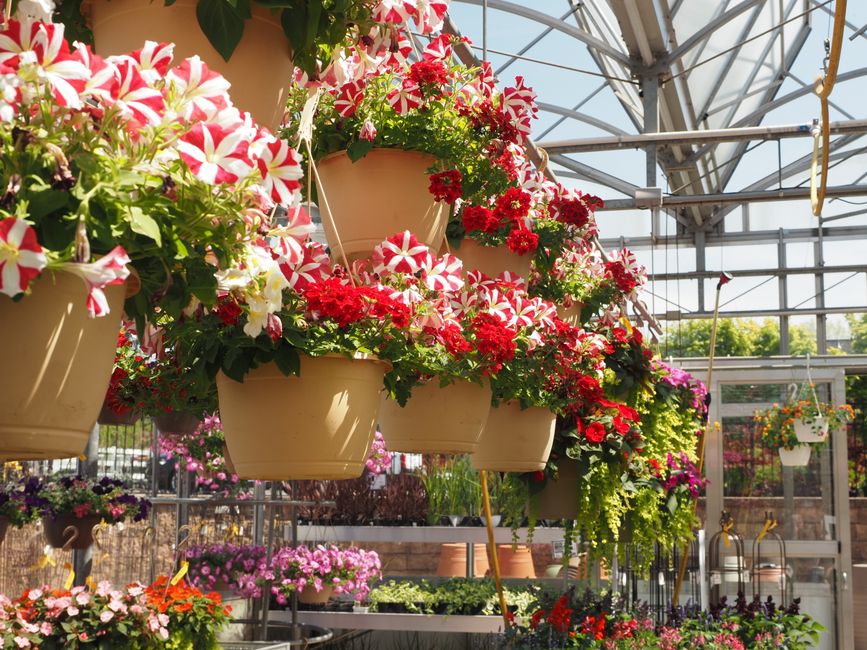
- Geraniums (Pelargoniums): These are the kings of the balcony. They are drought-tolerant and love the sun. Just “deadhead” (pinch off) the spent flowers to keep them blooming all season.
- Petunias: Specifically “Easy Wave” varieties. They have a spreading, trailing habit that looks amazing spilling over the side of a railing box.
- Succulents: Sedums and Sempervivums (Hens and Chicks) are the ultimate low-maintenance picks. They only need water about once a month! Just remember to bring them inside before the first freeze.
- Lavender: It’s drought-, heat-, and wind-tolerant. Plus, it smells like a spa. It’s one of the top container-friendly plants and greenery for your balcony.
- Hydrangeas: Look for dwarf varieties like “Centennial Ruby.” They need more water than a succulent, but they provide massive visual impact.
According to the experts at Veranda, 8 Best Plants to Grow on a City Balcony often include these compact, modern breeds that stay small but flower big.
Edible Gardening in Small Spaces
There is nothing quite like eating a salad grown three feet from your kitchen door. You don’t need a farm; you just need the right pots.
- Cherry Tomatoes: These are the most successful balcony vegetable. We recommend a 5-gallon pot (about 12-14 inches wide) and a sturdy stake.
- Chili Peppers: Peppers love the heat that reflects off apartment walls. They are also quite decorative! Check out these chili peppers perfect for balconies.
- Salad Greens: Lettuce and spinach can be grown in shallow “window boxes.” Trim the leaves as they mature, and they will keep growing back.
- Strawberries: These work best in hanging planters. It keeps the fruit off the soil and away from pests, plus it’s easier on your back!
- Dwarf Citrus: If you have a very sunny, warm balcony, a dwarf lemon or lime tree can thrive in a large pot.
New to this? Read the beginner guide to balcony vegetable gardening to get started the right way.
Best herbs for your apartment balcony
Herbs are the “gateway drug” of gardening. They are easy, useful, and smell fantastic.
- Basil: Needs lots of sun and hates the cold. Don’t even think about putting it outside until nights are consistently above 55°F.
- Rosemary & Thyme: These Mediterranean natives love the heat and don’t mind if you forget to water them for a day or two.
- Mint: Warning! Mint is a bully. It will take over any pot it is in. Give it its own container so it doesn’t strangle your other herbs.
- Chives: These are perennials, meaning they often come back year after year.
For more details, see our list of the best herbs for your apartment balcony.
Essential Gear: Pots, Soil, and Vertical Solutions
Your plant is only as happy as its home. In a balcony garden, the “home” is the container and the soil.
Choosing the Right Pot
| Material | Pros | Cons |
|---|---|---|
| Terracotta | Classic look, breathable | Heavy, dries out very fast, cracks in winter |
| Resin/Plastic | Lightweight, retains moisture, cheap | Can look “cheap,” can tip in high wind |
| Fiberglass | Very light, looks like stone, frost-resistant | More expensive |
| Fabric Bags | Great for root health, easy to store | Dries out quickly, not very “chic” |
Pro Tip: Always ensure your pots have drainage holes. If they don’t, your plants will literally drown. We also suggest using “pot feet” to create an air gap between the pot and the balcony floor—this helps with drainage and prevents staining the concrete.
The Secret is in the Soil
Never use “topsoil” or “garden soil” from a bag in a pot. It is too heavy and will compact, suffocating the roots. Use a soilless potting mix. We like to add about 20-30% perlite (those little white “popcorn” rocks) to the mix to ensure the roots get plenty of air.
Going Vertical
On a small balcony, the floor is for your feet; the walls are for your plants. Use trellises, hanging baskets, and railing boxes to maximize your space. Self-watering pots are also a lifesaver for windy balconies where evaporation is high. Check out the best plants for self-watering pots that won’t drown.
For more on container selection, the New York Botanical Garden has a great resource on Pots Galore for Balcony Gardens.
Overcoming Common Balcony Gardening Challenges
Balcony gardening isn’t all sunshine and roses; sometimes it’s wind and wilt.
- Wind Protection: Use a slim trellis as a “baffle” to break the wind before it hits your plants. Grouping pots together also creates a humid microclimate that helps them survive.
- Heat Waves: If the temperature hits 90°F+, your pots can turn into ovens. Move them 6-12 inches away from heat-reflective walls and consider a temporary shade cloth.
- Cold Snaps: When winter hits, wrap your perennial pots in burlap or bubble wrap to protect the roots.
- Native Plants: Many native species (like those from the Midwest) have fibrous roots that actually survive better in pots during freezing winters than plants with taproots.
If you’re struggling with a lack of light, don’t give up! Read our gardening without sunlight: tips for shady balconies guide.
For a list of survivors, see the top balcony plants that actually survive in pots.
Frequently Asked Questions about Balcony Plants
What are the easiest plants for beginners?
If you’re just starting, go with Zonal Geraniums, Mint, or Succulents. These are incredibly forgiving. They don’t mind a little neglect and aren’t overly dramatic if you miss a watering. You can find more “easy wins” in our guide on the easiest low-maintenance balcony plants for busy gardeners.
How often should I water my balcony containers?
There is no “once a week” rule. In the height of summer, a windy balcony might need watering every single day. Use the “finger test”: stick your finger an inch into the soil. If it feels dry, water it until you see liquid coming out of the drainage holes.
Are there any safety restrictions for balcony gardens?
Yes! Always check your building’s HOA or lease. Common rules include:
- Weight limits: Don’t use heavy soil or stone pots.
- Drainage: Don’t let your water drip onto the neighbor below (use saucers!).
- Wind hazards: Secure your pots so they don’t blow off the railing.
- Fire Safety: Never block your exit route with a large planter.
Conclusion
At Finance Lixo, we believe that everyone deserves an urban sanctuary. Whether you’re growing a single pot of basil or a full “tower of Zen,” balcony gardening is a step toward a more sustainable and peaceful life. It’s an adventure in experimentation—some plants will thrive, and some might not, but that’s all part of the fun.
Ready to start your garden? Dive into the ultimate apartment balcony gardening guide for everything you need to know to turn your small space into a personal oasis. Happy planting!
