
Transform Any Small Balcony Into a Lush Green Space
The best outdoor balcony plant ideas work with your space, not against it. For the budget-conscious urbanite, balcony gardening is a high-reward investment that enhances both your home’s value and your quality of life. Here’s a quick look at top picks to get you started:
Top outdoor balcony plant ideas at a glance:
- Herbs (basil, rosemary, mint, thyme) — easy, edible, and compact
- Trailing flowers (petunias, calibrachoa) — colorful and low-effort
- Climbing vines (jasmine, mandevilla) — add height and privacy
- Succulents and cacti — nearly zero maintenance
- Dwarf olive or citrus trees — a statement focal point in a single pot
- Ferns or ivy — ideal for shaded or north-facing balconies
- Bamboo in containers — fast-growing privacy screen
You don’t need a backyard to garden. Even the smallest balcony can become a green retreat — whether you want fresh herbs at arm’s reach, a wall of climbing jasmine, or a quiet corner filled with potted color.
The challenge most apartment dwellers face isn’t motivation. It’s knowing where to start. Wind, limited sunlight, weight restrictions, and tight square footage all make balcony gardening feel more complicated than it needs to be.
But here’s the thing: with the right plants and containers, those constraints become manageable. A sunny ledge becomes an herb bar. A bare railing becomes a trailing flower display. A blank wall becomes a living privacy screen.
This guide covers the best container-friendly plants for every balcony condition — sun, shade, wind, and everything in between.
Essential Factors for Choosing Outdoor Balcony Plant Ideas
Before you rush to the nursery and load your car with terra cotta pots, we need to talk about the “Three W’s”: Weather, Weight, and Walls. A balcony isn’t just a mini-yard; it’s a unique microclimate that can be much harsher than the ground level.
Sunlight and Exposure
The direction your balcony faces dictates your plant palette. A south-facing balcony is a sun-drenched oven, perfect for Mediterranean herbs and succulents, while a north-facing one might never see a direct ray, making it a sanctuary for ferns. To get it right, we recommend Understanding Sunlight Needs for Balcony Plants before making any purchases. Generally, “Full Sun” means 6–8+ hours of direct light, while “Part Shade” is 3–5 hours.
Wind and Altitude
If you are on the 10th floor, your plants are essentially living on a cliffside. Wind dries out soil incredibly fast and can snap brittle stems. For blustery spots, we look for flexible plants (like grasses) or low-profile spreaders. You can also use a “baffle” trellis—a slim trellis placed a few inches from the railing—to break the wind’s force without creating a “sail” that might blow over.
Weight and Regulations
This is the “boring but important” part. Soil and water are heavy. A large ceramic pot filled with wet soil can weigh over 100 pounds. Always check your building’s weight restrictions and HOA regulations. Many HOAs have rules against hanging pots over the outside of the railing for safety. To stay safe and compliant, we opt for lightweight resin or fiberglass containers and use “soilless” potting mixes which are significantly lighter than garden topsoil.
Drainage Requirements
Never—and we mean never—plant in a container without drainage holes. On a balcony, you also need to consider where that water goes. You don’t want to “rain” on your neighbor’s patio below. Always use deep saucers or self-watering pots to catch excess runoff.
Top Flowering Plants for Vibrant Color
If your goal is a “flower-bomb” balcony, you have some spectacular options that thrive in the confines of a pot.
- Centennial Ruby™ hydrangea: Unlike the massive shrubs you see in suburban yards, this compact variety is bred specifically for containers. It offers rich, crimson mophead flowers that bring a high-end look to a small space.
- Beacon Impatiens: These are our go-to for shaded balconies. They thrive in low light and provide a carpet of color between taller buildings.
- Easy Wave Petunias: These are “spillers.” They trail beautifully over the edges of railing planters. They are also remarkably resilient to heat.
- Dahlias: Look for “Venti” or “FireBurst” varieties. These are intermediate or dwarf dahlias that won’t grow 5 feet tall and flop over. They provide incredible geometric blooms from mid-summer through fall.
- Mandevilla Vines: If you have a trellis, Mandevilla is a must. These tropical climbers produce trumpet-shaped flowers and love the heat.
For more inspiration on arranging these beauties, check out our guide on Balcony Flower Garden Ideas.
Edible and Functional Greenery
Who says a garden has to be just for show? We love the “edible balcony” movement because it’s high-yield and high-reward.
Fruits and Veggies
You might be surprised to learn that you can grow a “mini orchard” on a 5×10 balcony. Dwarf citrus trees (like Meyer Lemons) or Dwarf Cavendish Bananas are perfect for sunny spots. If you’re a fan of summer salads, Growing Tomatoes in Balcony Pots is easier than you think—just stick to “determinate” (bush) varieties that don’t grow into unruly giants.
For the health-conscious gardener, Successfully Growing Lettuce on a Balcony provides a continuous harvest of greens that are far fresher than anything in a plastic bag at the store.
Edible Outdoor Balcony Plant Ideas for Home Chefs
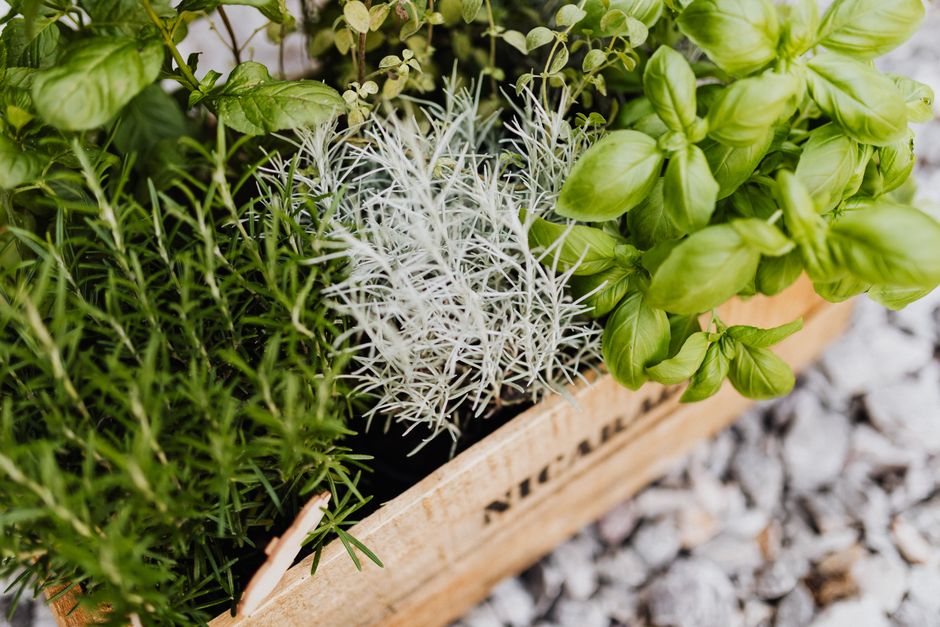
Herbs are the ultimate ROI for balcony gardeners. They are small, expensive at the grocery store, and incredibly easy to grow. We’ve found that The Best Herbs for Balcony Gardening usually include:
- Basil: Loves the sun and heat. Keep it pinched back to prevent flowering.
- Rosemary: Extremely drought-tolerant and wind-resistant.
- Mint: Warning: Mint is a bully. Grow it in its own pot or it will take over everything else. It’s perfect for shaded corners.
- Chili Peppers: Varieties like Thai Birdseye or Habaneros are naturally compact and look like ornamental jewels. Check out these Chili Peppers Perfect for Balconies for heat-loving options.
- Thyme: A great “spiller” that can even be harvested in the winter in many climates.
Space-Saving Containers and Vertical Solutions
When floor space is at a premium, we look up. Vertical gardening can increase your planting area by 300% or more.
- Vertical Ladder Shelves: These allow you to stack pots vertically, giving each plant access to light while taking up the footprint of only one large pot.
- Balcony Railing Planters: A Comprehensive Guide: These sit securely on top of your railing. They are perfect for herbs or trailing flowers like Dichondra argentea ‘Silver Falls’.
- Hanging Baskets: These are the “chandeliers” of the garden. They keep the floor clear for furniture while adding lushness at eye level.
- Wall-Mounted Planters: You can create a “living wall” using modular pockets or mounted wooden frames.
Container Material Comparison
| Material | Weight | Durability | Best For |
|---|---|---|---|
| Resin/Plastic | Very Light | High | High-rise balconies, hanging pots |
| Fiberglass | Light/Medium | Very High | Large statement trees (Dwarf Olive) |
| Terracotta | Heavy | Medium | Herbs (it “breathes” and dries fast) |
| Fabric Bags | Ultra Light | Low/Medium | Potatoes, tomatoes, root veggies |
For more creative layouts, see our Vertical Balcony Garden Ideas.
Best Plants for Specific Conditions
Every balcony has a “personality.” Some are exposed and windy; others are dark and cave-like. Here is how to match the plant to the problem.
Privacy and Screening
If your neighbor is a little too close for comfort, we suggest a Balcony Garden for Privacy. Bamboo in long, rectangular troughs creates a fast-growing, rustling screen. Star Jasmine on a trellis provides a dense wall of evergreen leaves and intoxicatingly sweet white flowers in the spring.
Shaded Sanctuaries
Don’t despair if you live in the shadow of a taller building. Jurassic™ ferns offer a prehistoric, wild texture that thrives in the shade. Other shade-lovers include Begonia sutherlandii, Fatsia japonica, and Hostas. For a full list of bloomers that don’t need the sun, see our guide on Best Flowers for a Shaded Balcony.
Wind and Heat
The Little Ollie® dwarf olive is a champion of the balcony world. It is heat-tolerant, wind-resistant, and has a silvery foliage that reflects intense sunlight, preventing the leaves from scorching.
Low-Maintenance Outdoor Balcony Plant Ideas for Beginners
If you tend to forget to water, go for “set it and forget it” plants.
- Succulents and Cacti: These are essentially water-storage tanks in plant form.
- Ivy: Specifically Hedera helix, which is nearly indestructible and stays green year-round.
- Evergreens: Small, slow-growing shrubs like Boxwood or Pittosporum tobira provide structure without needing constant pruning.
Ready to start a project? Try these Breathe Life Into Your Space: Easy Balcony Garden Projects.
Maintenance and Care for Container Gardens
A balcony garden is a closed system. Unlike plants in the ground, these plants rely entirely on you for food and water.
- Watering: Containers dry out much faster than the ground. In the height of summer, a windy balcony might need watering twice a day. We recommend Keeping Your Plants Hydrated: How to Water Balcony Plants for tips on using self-watering stakes or drip systems.
- Soil: Don’t skimp here. 80% of your budget should go into high-quality potting soil. Look for mixes with perlite or vermiculite for drainage and moisture retention.
- Fertilizer: Because you water so often, nutrients wash out of the soil quickly. Use a slow-release granular fertilizer at the start of the season and a liquid feed every two weeks during the peak growing months.
- Pot Feet: These tiny “risers” sit under your pots. They prevent water from pooling under the container (which can rot the roots and stain your balcony floor) and allow for better air circulation.
- Common Mistakes: The biggest error is over-crowding. Give your plants room to breathe to prevent pests like aphids or spider mites. Learn more in Avoiding Pitfalls: Common Balcony Gardening Mistakes.
Frequently Asked Questions about Balcony Gardening
How do I determine how much sunlight my balcony receives?
The easiest way is the “Napkin Test” or a simple hourly check. On a clear day, check your balcony every hour from 8 AM to 6 PM. Note when the sun first hits the floor and when it leaves. If you have 6+ hours of “uninterrupted” sun, you have a full-sun balcony. If the sun only hits the railing but not the floor, you might need to use hanging baskets to reach the light.
What are the best plants for a very windy high-rise balcony?
Look for “flexible” plants. Ornamental grasses (like Hakonechloa) sway with the wind rather than snapping. Low-growing herbs like Thyme and Rosemary are also excellent. Avoid large-leaved plants like Elephant Ears, which act like sails and can cause the pot to tip over.
Can I grow fruit trees on a small apartment balcony?
Absolutely, as long as they are “Dwarf” varieties. Look for Dwarf Meyer Lemon, Dwarf Pomegranate, or the Little Ollie® Olive. These are bred to stay small and produce fruit even in a container. Just ensure they are in a pot at least 12–15 inches wide.
Conclusion
Creating a garden in the sky is one of the most rewarding ways to reclaim your living space. Whether you are aiming for a productive herb bar or a romantic, flower-filled retreat, the right outdoor balcony plant ideas turn a concrete slab into a personal sanctuary and a valuable asset.
By choosing plants that match your specific microclimate—and using smart, vertical container solutions—you can enjoy the benefits of nature no matter how many floors up you live. For a step-by-step roadmap on getting your first pot in the soil, see our guide on Creating a Green Oasis: How to Start Balcony Gardening and visit Financelixo Home for more urban lifestyle and financial tips. Happy planting!
