
Fresh Herbs at Your Fingertips: What You Need to Know About a Small Wall Herb Garden
A small wall herb garden is one of the smartest ways to grow fresh herbs when you’re short on space. Whether you’re on a tiny balcony, in a rented apartment, or working with a kitchen wall, a vertical setup lets you grow more in less room.
Here are the best wall-mounted herb systems to consider:
| System Type | Best For | Approx. Cost |
|---|---|---|
| Self-watering pocket planters | Renters, beginners | Under $23 for 9 pots |
| Vinyl lattice + hanging planters | Balconies, no-drill setups | ~$21 for a 4×8 panel |
| Pallet herb wall | Outdoor patios, DIY lovers | ~$50 total |
| PlantBox living wall kit | Low-maintenance, ready-to-go | $210+ |
| Fabric pocket wall garden | Sheds, fences, indoor walls | Low cost, DIY |
You don’t need a backyard. You don’t even need to drill into your walls. Most setups take an afternoon and cost between $20 and $50.
The idea is simple: instead of spreading plants across the ground, you stack them upward. That means more herbs, less footprint, and everything within arm’s reach when you’re cooking.
This guide walks you through the best systems, which herbs to grow, how to install without damage, and how to keep your garden thriving all season.
Why a Vertical System is Ideal for Limited Spaces
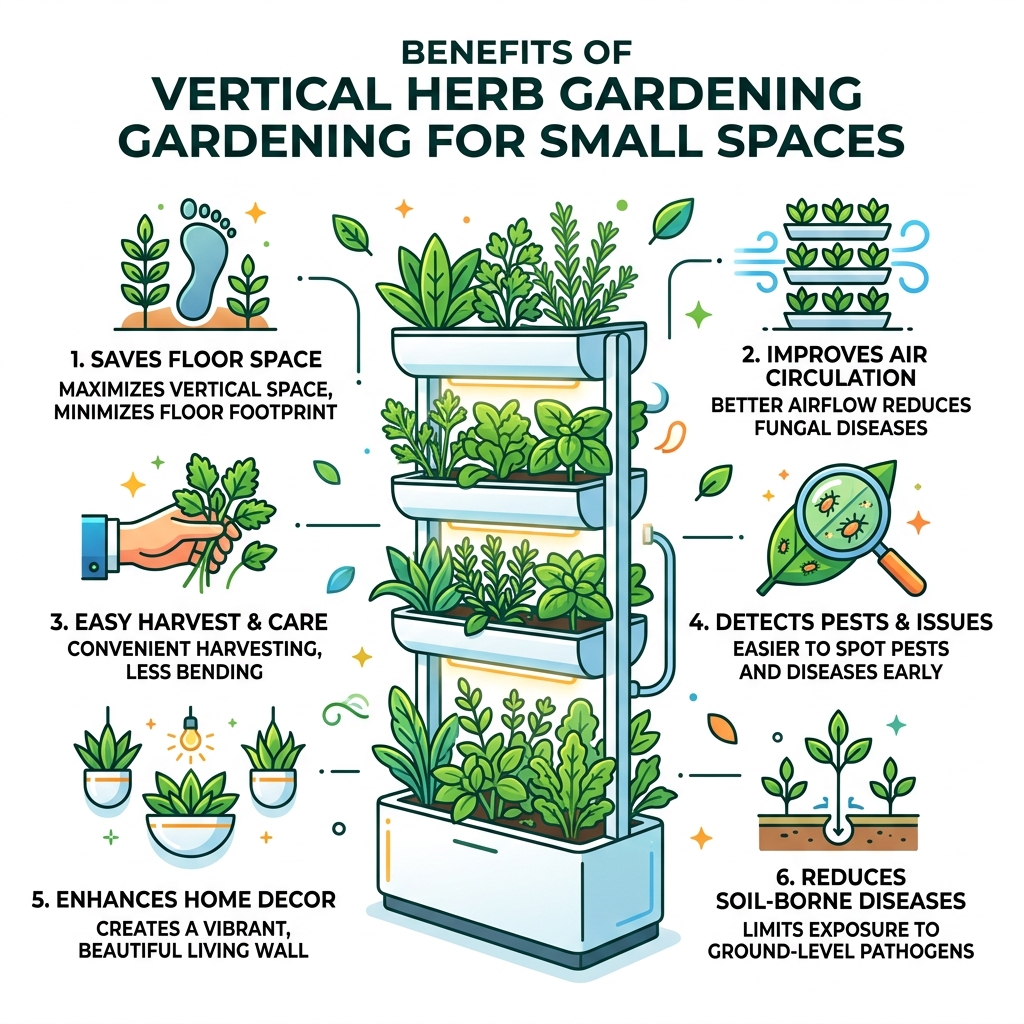
When we talk about gardening in “tiny” environments, we are usually fighting for every square inch of floor space. A small wall herb garden solves this by utilizing the “Z-axis”—the vertical space on your walls, fences, or balcony railings.
Vertical gardening isn’t just a space-saver; it’s a health booster for your plants. By lifting herbs off the ground, you significantly improve air circulation. This reduces the risk of fungal diseases and soil-borne pests that often plague traditional garden beds. Furthermore, a wall-mounted system brings the garden to eye level, making it easier to spot issues like aphids or dry soil before they become disasters.
From an aesthetic standpoint, a lush wall of green transforms a sterile balcony or a plain kitchen wall into a living piece of art. It creates a focal point that feels intentional and high-end, even if the materials were budget-friendly. For more on how to arrange these spaces, check out our guide on balcony-herb-garden-design and see how you can be maximizing-limited-space-with-balcony-gardening.
Benefits for Renters and Apartments
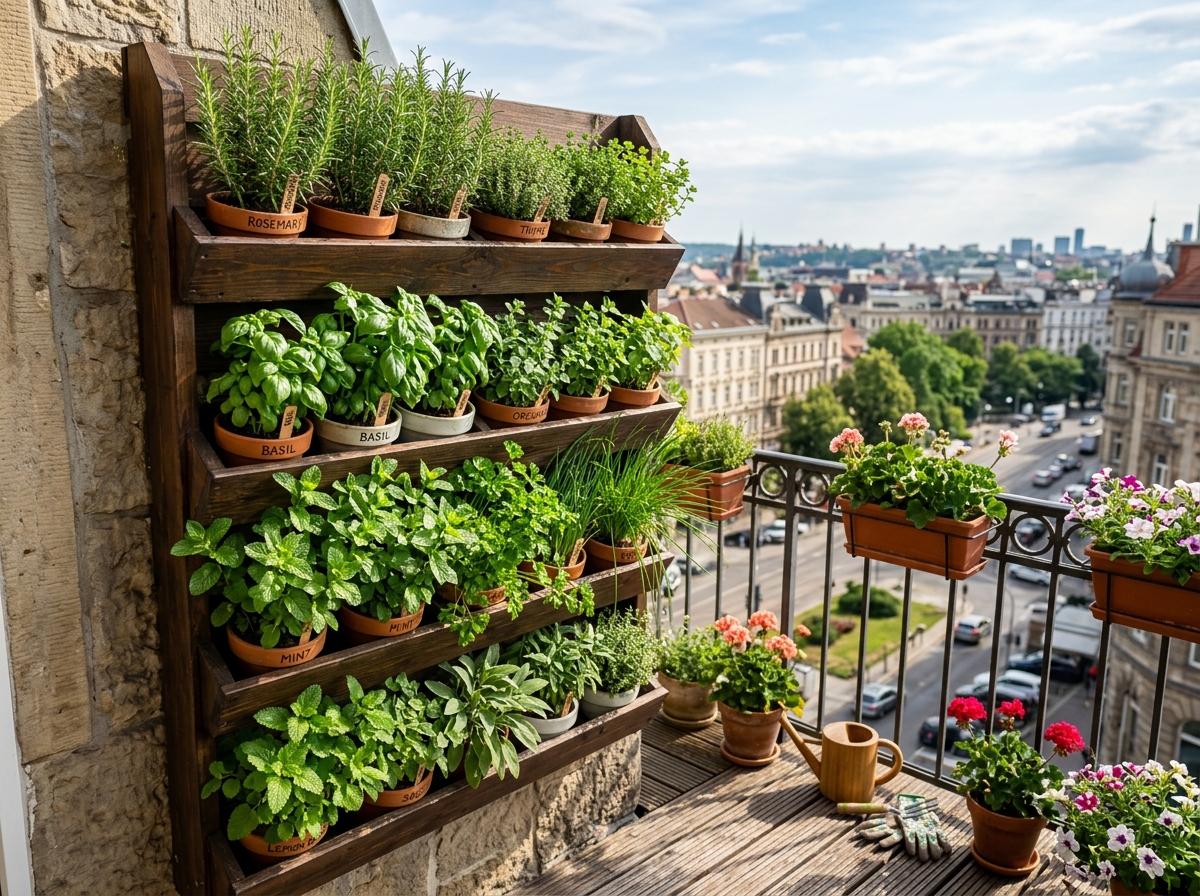
We know the “renter’s struggle” all too well: wanting a beautiful home but being terrified of losing a security deposit over a few drill holes. The beauty of a small wall herb garden is that many modern systems are completely non-destructive.
By using vinyl lattice panels secured with heavy-duty adhesive hooks or specialized vinyl siding clips, you can create a massive growing surface without ever touching a power drill. If you move, the whole system comes down in minutes and packs away. These setups also serve as excellent privacy screens, blocking the view of neighbors or unsightly utilities like AC units. Explore more vertical-balcony-garden-ideas to find a style that fits your lease agreement.
Real-World Examples from Patios and Kitchens
In real-world applications, we’ve seen a small wall herb garden thrive in the most unlikely places. On narrow urban patios, homeowners have used 60cm wide systems to grow up to 20 different herbs in a single meter of height. In kitchens, a simple three-shelf wooden rack near a sunny window can provide enough basil, chives, and mint to last an entire season. Even conservatory walls or the side of a garden shed can become productive zones. The goal is to find a “micro-footprint” and let the plants grow up, not out.
Choosing the Best Containers for Your small wall herb garden
The “bones” of your garden—the containers—will determine how much maintenance you have to do. Not all pots are created equal when they are hanging on a wall.
| Container Type | Pros | Cons | Best For |
|---|---|---|---|
| Pocket Planters | Breathable, lightweight | Dries out faster | Annual herbs, fences |
| Self-Watering Troughs | Low maintenance, consistent moisture | Heavier when full | Busy gardeners, sun-soaked walls |
| Repurposed Jars/Cans | Eco-friendly, nearly free | Requires manual drainage holes | Indoor decor, small starts |
| Steel Tubs | Durable, rustic look | Can get hot in direct sun | Rosemary, Sage, Thyme |
DIY vs. Store-Bought small wall herb garden Systems
If you’re a weekend warrior, DIY is the way to go. You can repurpose an old wooden pallet for about $50 (including the cost of herbs and sealer). Another popular budget hack is using a canvas shoe organizer; the pockets are the perfect size for individual herb starts. However, if you want something that looks polished and features a built-in irrigation system, store-bought kits like the PlantBox offer troughs with 1.8L water reservoirs. These are “set and forget” systems that keep plants hydrated for up to a week.
Material Durability and Cost Analysis
When choosing materials for your small wall herb garden, consider the environment.
- Recycled Plastic: Excellent for moisture retention and very lightweight for indoor walls.
- Cedar Wood: Naturally rot-resistant and beautiful, but more expensive.
- Galvanized Steel: Provides a modern industrial look and is incredibly durable, though you must ensure it has proper drainage.
Expect to spend around $21 for a vinyl lattice panel or under $23 for a set of nine self-watering hanging pots. A full-scale DIY project using a 17-gallon steel tub can often be completed for under $50.
Top Herbs for Vertical Success and How to Group Them
Not every herb wants to live on a wall. To ensure success, we need to match the plant to the “altitude” and the container depth.
Best Herbs for a small wall herb garden
For vertical systems, we recommend starting with these “all-stars”:
- Basil: Loves heat and grows quickly.
- Chives: Shallow roots (only 3 inches!) make them perfect for small pockets.
- Mint: Highly productive but invasive—it must have its own container.
- Rosemary & Thyme: Woody perennials that handle the drying winds of a balcony well.
- Parsley: A hardy biennial that provides deep green texture.
For more detailed lists, see the-best-herbs-for-balcony-gardening and the-best-herbs-for-balcony-gardening-2.
Grouping by Water and Light Needs
This is where most beginners fail. You cannot plant a water-loving herb next to a desert-dweller.
- The “Dry” Group: Rosemary, Oregano, Sage, Lavender, and Thyme. These Mediterranean natives love full sun (6+ hours) and well-draining soil. Place them at the top of your wall where they get the most light and the soil dries out fastest.
- The “Moist” Group: Basil, Chives, Cilantro, and Parsley. These prefer consistently damp (but not soggy) soil. Place them on lower tiers where they might get a bit of “runoff” from the top levels and slightly more shade.
- The “Lone Wolf”: Mint. Always give mint its own pot. Its runners will choke out your other herbs in a shared planter.
Step-by-Step: Setting Up a Renter-Friendly Wall Garden
Ready to build? Here is our favorite no-drill method for a small wall herb garden that works perfectly on balconies with vinyl siding or indoor walls.
Materials and Supplies Needed
- Vinyl Lattice: A 4×8 panel (can be folded in half for transport).
- Hanging Strips or Siding Clips: For a no-drill attachment.
- S-Hooks: To hang your pots onto the lattice.
- Self-Watering Planters: To make maintenance easier.
- Potting Mix: Use a high-quality organic mix, not garden soil.
Installation on Different Surfaces
- Vinyl Siding: Use vinyl siding clips that hook under the slats. Attach your lattice to these clips. This supports the weight without a single screw.
- Drywall (Indoor): Use heavy-duty Command hooks or picture-hanging strips. Ensure you calculate the weight of the pots when wet before choosing your hooks.
- Stucco or Brick: If you are allowed to drill, use a masonry bit and star-bit screws. If not, a freestanding “leaning” trellis is a great alternative.
- Wooden Fences: Simple deck screws and brackets will do the trick.
Maintenance and Harvesting for Year-Round Productivity
A small wall herb garden requires a different care routine than a ground garden. Because containers are smaller, they dry out faster.
The “103 Blend” Soil
We recommend a specific soil mix for vertical containers to ensure drainage and nutrition:
- 1 part Topsoil
- 1 part Compost
- 1 part Coarse Sand
- A handful of Earthworm Castings
This mix prevents the soil from compacting, which is the leading cause of root rot in wall-mounted systems. For more on selecting the right setup, see choosing-the-best-vertical-garden-for-balcony-spaces.
Troubleshooting Common Growth Issues
- Overwatering: If leaves turn yellow and feel mushy, you’re likely overwatering. Ensure your pots have drainage holes.
- Leggy Growth: If your herbs are tall, thin, and reaching, they need more sunlight. Most herbs need at least 4–6 hours of direct sun.
- Pests: Keep an eye out for aphids. A simple spray of water and organic neem oil usually fixes the problem.
Harvesting and Seasonal Expansion
The secret to a productive small wall herb garden is constant harvesting.
- Pinching: Pinch off the top inch or two of stems just above a leaf node. This encourages the plant to grow “bushy” rather than “tall.”
- Annuals: You can cut back annuals like Basil by up to 75%.
- Perennials: Only remove about one-third of the growth at a time.
- Winterizing: When the temperature drops, many of these systems can be moved indoors. Rosemary and Lavender can be overwintered near a sunny window, though they prefer cooler indoor temps.
Frequently Asked Questions about Wall Herb Gardens
How much does a small wall herb garden typically cost?
A basic DIY setup using a vinyl lattice and a few hanging pots typically costs between $40 and $60. If you choose a premium, self-watering “living wall” kit, prices can range from $210 to $250. Repurposing items like pallets or shoe organizers can bring the cost down to under $30.
Can I grow a wall herb garden indoors without direct sun?
Yes, but you will likely need supplemental grow lights. Most culinary herbs require at least 6 hours of sunlight to produce the essential oils that give them flavor. If your kitchen is dim, a small LED grow light strip mounted above your wall garden will keep your plants thriving.
What are the most common mistakes to avoid with vertical herbs?
The biggest mistake is poor drainage. Without holes in the bottom of your containers, water sits at the roots and causes rot. The second mistake is over-crowding. While herbs grow vertically, they still need air circulation between the pots to prevent mold and pests.
Conclusion
Creating a small wall herb garden is one of the most rewarding weekend projects you can undertake. It brings a sense of sustainable living into the heart of the city, providing you with fresh, organic ingredients for every meal. At Finance Lixo, we believe that even the smallest spaces can be transformed into productive, green sanctuaries.
Ready to get started? Whether you’re building a rustic pallet wall or installing a sleek self-watering system, the joy of harvesting your own herbs is just a few steps away. More info about gardening services can help you take your urban oasis to the next level!
