
Small Balconies Deserve Gardens Too
Compact balcony planters are the easiest way to bring greenery into a small outdoor space without sacrificing floor room. Whether you have a tiny apartment ledge or a narrow railing, the right planter makes all the difference.
Here are the best types of compact balcony planters for small spaces:
| Type | Best For | Key Feature |
|---|---|---|
| Metal railing hook planters | Railings and fences | Lightweight, detachable hooks |
| Self-watering balcony boxes | Herbs and flowers | Built-in irrigation reservoir |
| Vertical ladder planters | Floor or wall use | Multi-tier growing levels |
| Hanging basket planters | Trailing plants | Suspended from hooks or beams |
The good news? You don’t need much space at all. Even the smallest balcony can hold a few railing planters. Popular 9.8-inch multi-packs let you line an entire railing with color and greenery for as little as $6 per unit.
Urban balcony gardening has exploded in popularity — and with over 1,000 railing planter options available online, the choices can feel overwhelming. This guide cuts through the noise.
We’ll cover the best compact planter styles, what materials actually last outdoors, and which plants thrive in small containers.
Essential Features of Compact Balcony Planters
When we talk about gardening in limited square footage, we aren’t just looking for “small” pots. We are looking for specialized tools designed to thrive in the unique environment of an urban balcony. Unlike a traditional backyard, a balcony deals with higher wind speeds, intense reflected heat, and strict weight limits.
Drainage Systems
Proper drainage is the “make or break” feature for any container. Without it, water pools at the bottom, drowning roots and inviting rot. High-quality compact balcony planters often feature integrated drainage plugs or elevated internal grids. Some advanced models even use a removable screw system, allowing you to let excess water run off during heavy storms while keeping it sealed when the planter is moved indoors.
Weight Limits and Material Longevity
Weight is a critical safety factor. Many Apartment Homeowners Associations (HOAs) have specific rules about how much weight a balcony can support. We recommend opting for lightweight materials like resin, high-grade polypropylene, or thin-gauge treated metal.
| Material | Durability | Weight | Best Use Case |
|---|---|---|---|
| Resin/Plastic | High (UV Resistant) | Ultralight | High-rise balconies with strict weight limits |
| Metal (Iron/Steel) | Medium (Rust-prone) | Light/Medium | Rustic aesthetics and sturdy railing attachment |
| Cedar Wood | High (Rot Resistant) | Heavy | Vertical ladders and permanent floor fixtures |
For a deeper dive into how to choose the right setup for your specific architecture, check out our balcony-railing-planters-a-comprehensive-guide/.
UV Resistance and Capacity
Because balconies are often sun-drenched “heat islands,” your planters must be UV-resistant. Cheap plastics will become brittle and crack within one season. Look for “shatterproof” or “UV-stabilized” polypropylene. Additionally, consider the volume; a standard 9.8-inch pot is excellent for individual herbs, while a 24-inch to 31-inch box (like the BALCONERA Color 80 – mazeproducts) offers enough soil capacity for a lush, multi-plant arrangement.
Top Railing Designs and Plant Pairings
The most efficient way to garden in a small space is to use the “dead space” on your railings. By moving your garden off the floor, you keep your balcony functional for seating and movement.
Multi-Pack Value
For those looking to create a “wall of green,” multi-packs are the most budget-friendly route. Popular sets come in 4, 6, 8, or 10 units. These typically feature 9.8-inch dimensions, which are the “Goldilocks” size—large enough for a healthy root system but small enough not to overwhelm the railing. When bought in bulk, these can cost as little as $6.17 per unit.
Choosing the Right Plants
Not every plant loves a small container. For compact balcony planters, we suggest focusing on three categories:
- Herb Gardens: Basil, oregano, rosemary, and mint thrive in the sun and are easy to harvest.
- Trailing Flowers: Petunias, lobelia, and creeping jenny spill over the edges, hiding the planter for a “floating garden” look.
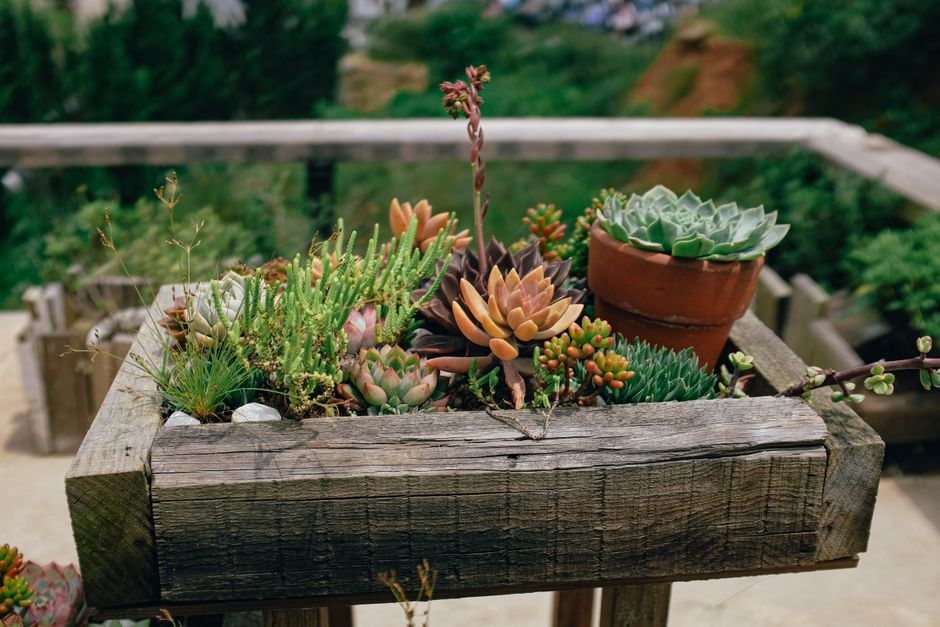
- Succulent Displays: Perfect for those of us who might forget to water occasionally.
Explore more options in our guide to the top-pots-for-balcony-gardening/.
Durable Metal Compact Balcony Planters
If you love the “countryside” or “shabby chic” look, metal iron planters are a fantastic choice. These often come with detachable hooks, meaning you can hang them on a rail during the summer and bring them inside to sit on a windowsill during the winter.
Many of these metal options boast 4.3-star ratings on major retail sites because they are incredibly sturdy. They are usually finished with a weatherproof coating to prevent immediate rusting. For those on a tight budget, metal remains one of the most budget-friendly-containers-for-balcony-plants/ because of their longevity relative to their price.
Self-Watering Compact Balcony Planters
Let’s be honest: watering plants every single day can be a chore. On a windy balcony, soil dries out faster than you’d think. This is where self-watering technology becomes a lifesaver.
Systems like the Lechuza BALCONERA Stone 100 Planter – Interismo use an internal reservoir and a specialized PON substrate (a mix of pumice, zeolites, and lava) to wick moisture up to the roots as needed.
- Water-level indicators: Tell you exactly when to refill the reservoir.
- Removable liners: Allow you to plant at a table and then simply drop the liner into the balcony box.
- Nutrient conservation: Since water doesn’t wash through the soil and out the bottom every day, fertilizers stay in the root zone longer.
For a similar high-quality option with a rustic finish, the Lechuza Balconera Planter Cottage 50 – Vertical Gardens Direct offers the same smart technology in a smaller footprint.
Installation and Safety for Different Railing Types
Installing compact balcony planters isn’t always as simple as “hook and go.” Safety is paramount when you have neighbors or a sidewalk below you.
Railing Compatibility
- Metal Balusters: Most standard metal railings have vertical bars spaced 3.5 to 4 inches apart. Specialized “snap-on” planters like the Sprout system are designed specifically for these dimensions, requiring no tools at all.
- Wood Railings: These are often thicker. You may need adjustable brackets or “over-the-rail” saddle planters that straddle the wood.
- Square vs. Round: Ensure your hooks or brackets are shaped to match your rail profile. Round hooks on square rails can be unstable and prone to tipping in the wind.
Tool-Free Assembly vs. Permanent Mounting
Many modern designs emphasize ease of use. If you are a renter, tool-free assembly is your best friend. However, for permanent installations, using brackets that screw into the rail (if permitted) provides the highest level of wind resistance. If you’re feeling crafty, you can even follow our DIY balcony planters a step-by-step-guide/ to customize your mounting hardware.
Safety and Regulations
Before you buy, check your HOA or lease agreement. Some buildings forbid anything hanging outside the railing due to detachment risks. In these cases, look for planters designed to hang on the inside of the balcony.
Pro-tip on Wind Resistance: If you live in a high-wind area, use heavy-duty zip ties or specialized “safety straps” as a secondary backup to your primary hooks. This ensures that even if a gust lifts the planter, it won’t fall to the street.
Frequently Asked Questions about Balcony Planters
How many planters are ideal for a standard balcony railing?
For a standard 6-foot balcony railing, we find that 3 to 4 medium-sized (20-24 inch) boxes or 6 to 8 small (9.8 inch) pots provide a full, lush look without overcrowding. Always leave at least 6 inches of space between planters to allow for air circulation and easy cleaning of the railing itself.
What are the best plants for shallow railing containers?
Shallow containers (less than 6 inches deep) are perfect for succulents, micro-greens, and annual flowers like pansies or marigolds. If you want to grow larger vegetables, you’ll need a deeper “V-shaped” planter, such as the VegTrug Small Classic Planter | Dunelm, which allows for deeper root growth in the center.
How do I prevent my railing planters from falling in high winds?
First, choose planters with “deep hooks” or adjustable tension brackets. Second, use the weight of the damp soil to your advantage—avoid using ultra-lightweight “air-filled” potting mixes in very windy spots. Finally, check out the Lechuza Balconera Cottage Planter 80 – Interismo which offers specialized mounting brackets sold separately that are rated for high-stability performance.
Conclusion
At Finance Lixo, we believe that living in a city shouldn’t mean living without nature. Creating an urban oasis is entirely possible, even with the most limited square footage. By choosing the right compact balcony planters, focusing on durable materials, and prioritizing safety, you can transform a cold metal railing into a vibrant, living wall.
Balcony gardening is a marathon, not a sprint. Start with a few hardy herbs, get a feel for the light and wind on your balcony, and expand your collection over time. With the right maintenance—regular watering, seasonal soil refreshment, and choosing UV-resistant containers—your small garden will thrive for years to come.
Ready to transform your space? Start your small space garden today and see how much a little greenery can brighten your life!
