
Stop Hitting the Wall and Start Planting on It
Why a Vertical Planter Wall Is the Smartest Move for Small Spaces
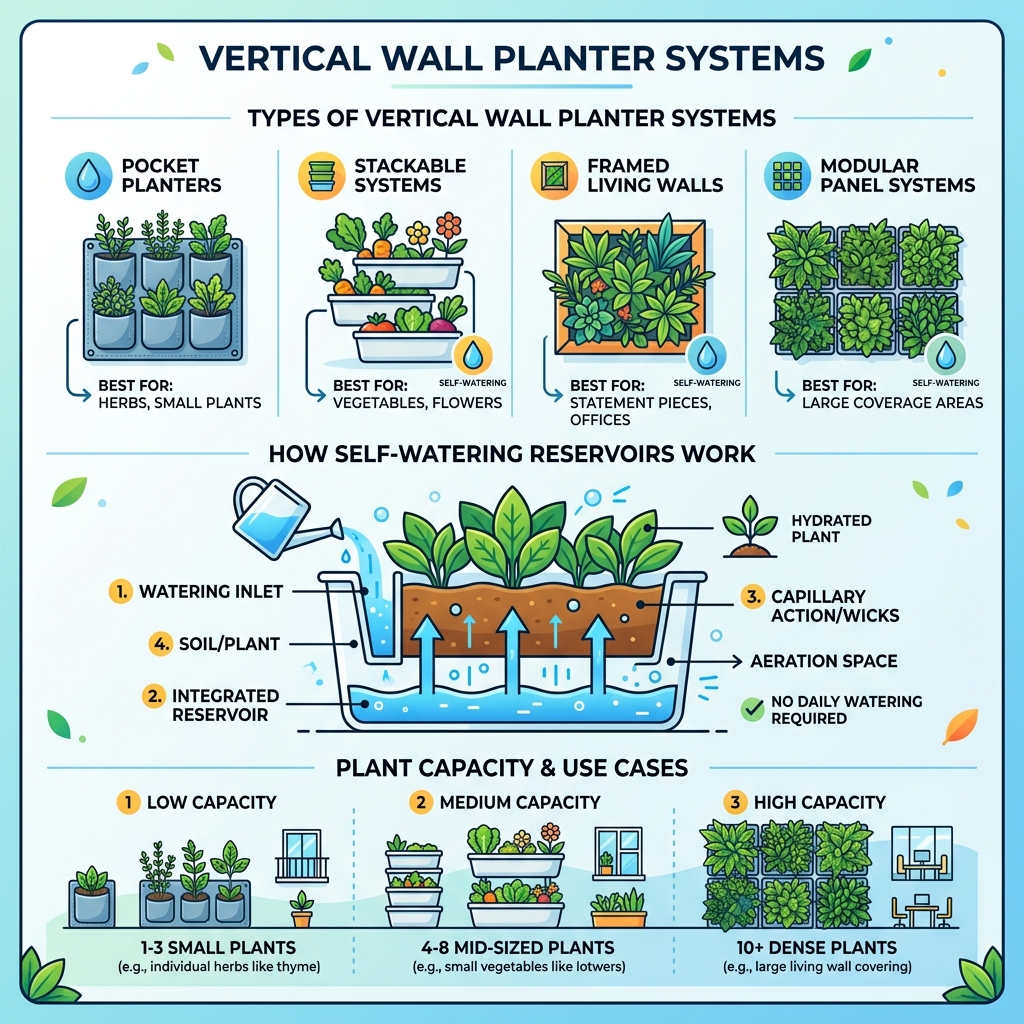
A vertical planter wall is one of the best ways to bring greenery into a small apartment or balcony without giving up precious floor space. Here’s a quick look at the top options to help you find the right fit:
| Type | Best For | Self-Watering | Price Range |
|---|---|---|---|
| Pocket planters | Herbs, small plants | Some models | $10–$50 |
| Stackable systems | Vegetables, flowers | Yes | $50–$230 |
| Framed living walls | Statement pieces, offices | Yes | $100–$400+ |
| Modular panel systems | Large coverage areas | Yes | $150–$400+ |
You don’t need a yard to grow plants. You just need a wall.
Urban gardening has shifted indoors — and vertical systems are leading the way. Whether you want fresh herbs in the kitchen, a calming green backdrop in your living room, or a balcony full of color, a wall-mounted garden delivers all of that without the sprawl.
Beyond aesthetics, there’s real science behind the appeal. Research from NASA has shown that certain indoor plants actively remove toxins like formaldehyde and benzene from the air. And studies have linked time spent around plants to lower stress and better focus.
The market has responded. You can now find everything from simple $10 pocket planters to fully self-watering modular systems with reservoirs that keep plants hydrated for up to six weeks — no daily watering required.
This guide rounds up the best vertical planter wall options available today, so you can stop staring at bare walls and start growing something worth looking at.
Quick vertical planter wall terms:
The Health and Aesthetic Benefits of Vertical Greenery
When we talk about a vertical planter wall, we aren’t just talking about a fancy shelf for pots. We are talking about a living, breathing ecosystem that changes the very chemistry of your room. If you’ve ever wondered why wall planter systems are the future of interior design, the answer lies in the intersection of health and style.
Air Purification and the NASA Connection
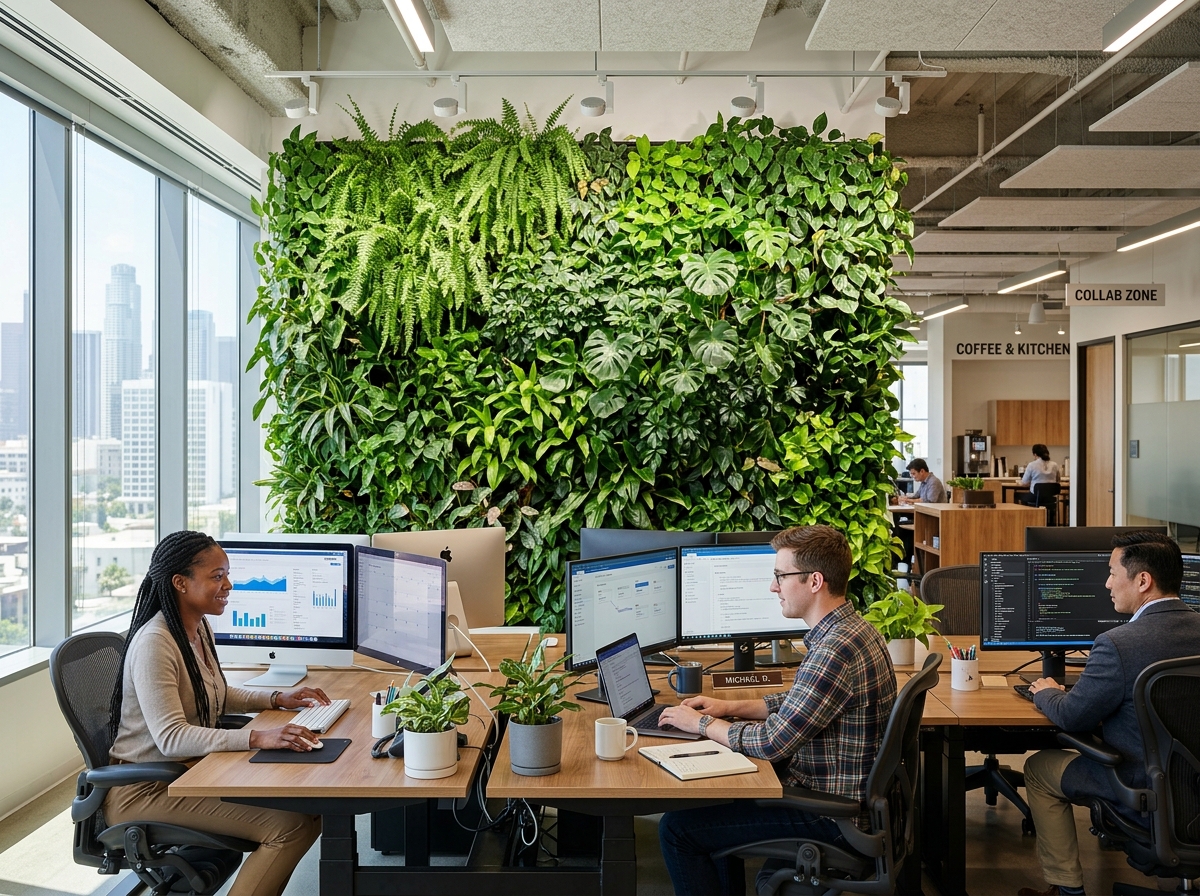
It’s a well-documented fact: indoor air can be more polluted than outdoor air. Common household items like carpets, furniture, and cleaning supplies release Volatile Organic Compounds (VOCs) such as formaldehyde and benzene. NASA’s Clean Air Study famously proved that living plants act as natural filters, absorbing these toxins through their leaves and roots. By installing a vertical planter wall, you are essentially installing a high-powered, natural air scrubber that works 24/7.
Productivity and Stress Reduction
Have you ever noticed how a walk in the park clears your head? That’s “biophilic design” at work—the innate human need to connect with nature. Research from Exeter University suggests that offices filled with plants can see a productivity boost of up to 15%. In our own homes, a lush green wall reduces ambient noise by absorbing sound waves and lowers cortisol levels, helping us transition from a stressful workday to a relaxing evening.
Humidity and Temperature Control
In dry climates or during winter months when the heater is blasting, indoor air becomes parched. Plants release moisture through a process called transpiration. A large vertical planter wall can actually help regulate indoor humidity, making the air more comfortable for your skin and respiratory system. Furthermore, on an outdoor patio, a thick layer of vertical greenery can act as insulation, keeping the wall behind it cooler during the height of summer.
Choosing the Right vertical planter wall System
Not all walls are created equal. Depending on whether you want a DIY weekend project or a professional-grade “living art” installation, you’ll need to choose the right hardware.
Comparison of Popular Systems
| System Type | Mechanism | Pros | Cons |
|---|---|---|---|
| Pocket Systems | Felt or recycled plastic pouches | Breathable roots, affordable | Can dry out faster, needs a liner |
| Framed Systems | Self-contained cassettes | Sleek look, no mess, “Living Art” | Higher upfront cost |
| Modular Stackable | Interlocking plastic pots | Easy to expand, great for food | Can look more “industrial” |
| Drip-Irrigation Walls | Automated tubing and pumps | Lowest maintenance, scalable | Requires power/water source |
Key Features to Look For
When browsing top-rated vertical wall garden kits for indoor use, keep an eye out for these essential features:
- Self-Watering Reservoirs: High-end models like the LivePicture 3 feature integrated reservoirs that can keep plants happy for 4 to 6 weeks. This is the secret to how to grow a low-maintenance vertical garden that thrives on neglect.
- Leakproof Design: Especially for indoor use, you want a system that is 100% leakproof. Look for patented designs that separate the water reservoir from the wall surface.
- Sustainable Materials: Brands like WallyGrow have recycled over 10 million plastic bottles to create their planters. Choosing recycled materials makes your garden even “greener.”
- Installation Ease: Many modern systems use French cleats—a simple bracket system that allows you to mount the frame and then slide the planter into place.
Installation Basics
Most systems, such as the Wonderwall Vertical Garden, involve mounting horizontal battens or a grid to the wall first. From there, you simply clip or screw the planters into the grid. If you are going for a large-scale setup, look for systems that use a “gravity-fed” irrigation pipe along the top row, allowing water to trickle down and hydrate every plant in the column.
Best Plants for Your Vertical Garden
The success of your vertical planter wall depends heavily on choosing the right residents. You want plants that don’t mind living in close quarters and won’t outgrow their containers in a week.
For the Kitchen: The Herb Wall
If you want to stop thyme and build a balcony wall herb garden, focus on herbs that love drainage. Vertical herb gardening made easy for tiny kitchens usually involves:
- Mint: Robust and fast-growing (keep it in its own pocket so it doesn’t take over).
- Basil: Loves the sun and looks beautiful when lush.
- Parsley and Chives: Great for lower-light corners of the wall.
For the Living Room: Lush Foliage
To create that “jungle wall” effect, use trailing plants that will cover the structure of the planters:
- Pothos (Devil’s Ivy): Virtually indestructible and drapes beautifully.
- Philodendron: Similar to Pothos but with heart-shaped leaves.
- Ferns: Great for humid bathrooms or low-light areas.
- Peace Lilies: Excellent for air purification but require consistent moisture.
For the Sun-Drenched Balcony: Succulents and Berries
- Succulents: Ideal for vertical setups because they have shallow root systems and require very little soil.
- Strawberries: A tiered strawberry planter can hold up to 30 plants in a tiny footprint, providing fresh fruit all summer.
Pro Tip: Always group plants by their water and light needs. Don’t put a thirsty fern right next to a desert-loving cactus!
Frequently Asked Questions about Vertical Wall Planters
How often do I need to water a vertical planter wall?
This depends entirely on your system. Simple felt pocket planters might need water every 2 days because they are very breathable. However, if you invest in a system with a reservoir, like the Tevagrow™ TEVAWALL™, you might only need to refill the tank every 5 to 10 days. Some high-end “living art” frames only require attention every 4 to 6 weeks. Always check the water level indicators if your unit has them. For more details, see the ultimate guide to vertical garden maintenance tips and tricks.
What are the best materials for a durable vertical planter wall?
For outdoor use, UV resistance is non-negotiable. Look for high-density polyethylene (HDPE) or powder-coated steel to prevent fading and rusting. For indoor use, recycled plastic is lightweight and eco-friendly. If you prefer a natural look, FSC-treated wood battens provide a sturdy and sustainable mounting structure.
Can I grow food on a vertical wall?
Absolutely! Beyond herbs, you can grow leafy greens like spinach, kale, and lettuce. Even small vegetable varieties like cherry tomatoes or chili peppers thrive in vertical systems as long as they get 6+ hours of sunlight. Just ensure your vertical planter wall is mounted securely, as soil and water can become quite heavy when growing larger crops.
Conclusion
At Finance Lixo, we believe that your environment dictates your well-being. A vertical planter wall is more than just a home decor trend; it’s a commitment to sustainable living and a smarter way to inhabit our urban spaces. By choosing the right system—whether it’s a modular Tevagrow system for your office or a simple Amazon wall planter for your balcony—you are reclaiming your space and your air quality.
Ready to transform that blank wall into a masterpiece? Start your garden today and experience the future of indoor-outdoor living.
Explore more vertical gardening ideas:
