
Secure and Stylish Balcony Fencing Solutions
Why the Right Fence Design for Balcony Makes All the Difference
The best fence design for balcony spaces balances safety, privacy, and style. Here’s a quick overview of the most popular options:
| Design Type | Best For | Privacy Level |
|---|---|---|
| Frameless glass panels | Views + modern look | Low |
| Vertical metal/iron | Minimalist + security | Medium |
| Closed wood panels | Maximum privacy | High |
| Mesh fencing | Child/pet safety | Medium |
| Perforated metal | Privacy + airflow | Medium-High |
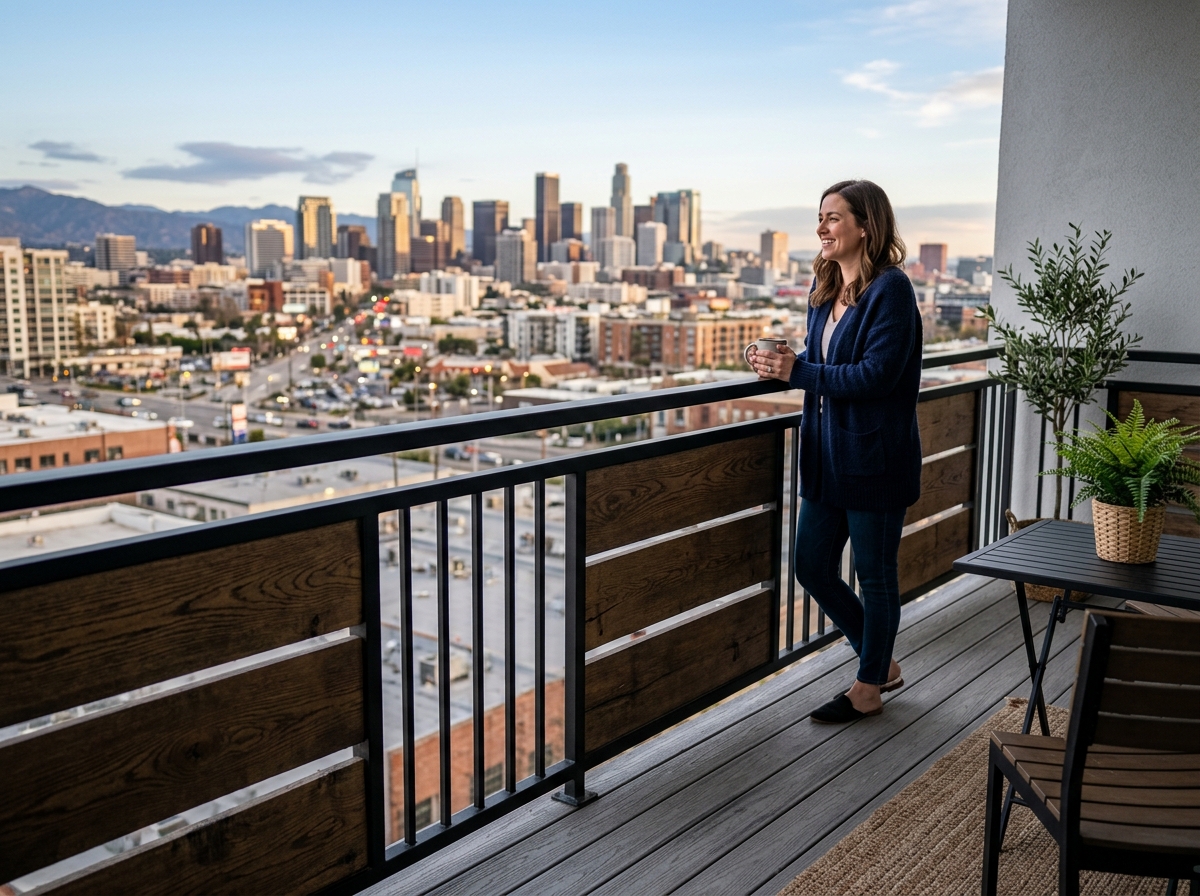
| Wood and metal combo | Rustic-modern style | Medium-High |
Your balcony is more than just extra square footage. For urban apartment dwellers, it’s often the only outdoor space you have — a small patch of sky where you can grow plants, unwind, and breathe.
But without the right fencing, that space can feel exposed, unsafe, or just plain dull.
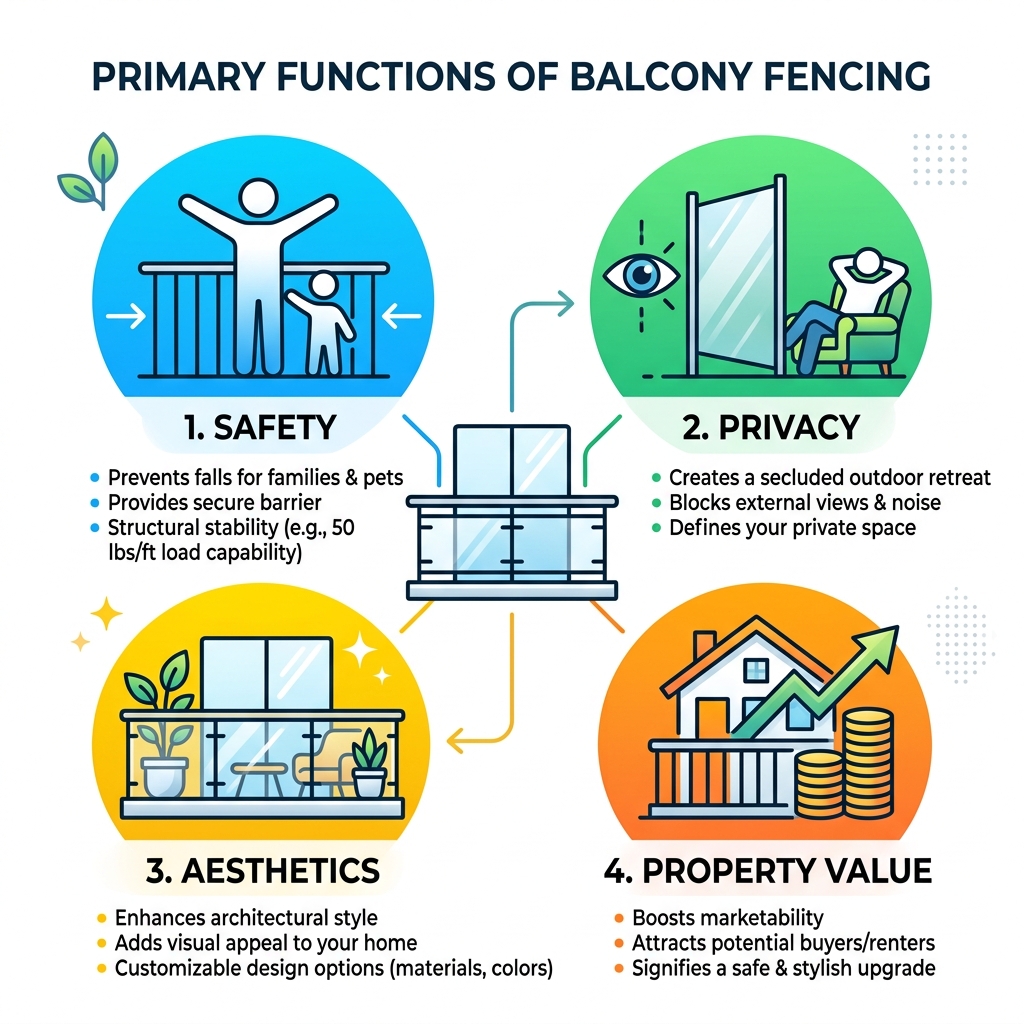
A well-chosen balcony fence does several things at once. It keeps you and your family safe from falls. It creates a sense of privacy from neighbors. And it adds real aesthetic value to your home — both inside looking out, and outside looking in.
The challenge? There are dozens of materials, styles, and safety rules to navigate. The wrong choice can cost you money, fail a building inspection, or simply clash with your home’s look.
This guide breaks down everything you need to know — from safety codes to the trendiest minimalist designs — so you can make a confident, informed decision.
Essential Safety Standards for Your Fence Design for Balcony
When we talk about a fence design for balcony use, safety isn’t just a suggestion—it’s the law. Most modern construction follows the International Building Code (IBC) to ensure that balconies aren’t just pretty, but structurally sound enough to prevent tragic accidents.
One of the most critical IBC standards involves load bearing. A balcony fence must be able to resist a horizontal load of 50 pounds per linear foot applied specifically to the top rail. This ensures that if someone stumbles or leans heavily against the railing, the system won’t give way.
For families, the “4-inch rule” is the gold standard for child safety. To prevent a child’s head from getting stuck or a small pet from slipping through, the spacing between balusters (the vertical bars) must be less than 4 inches apart. This small gap is a massive lifesaver.
| Building Type | Minimum Guard Height Requirement |
|---|---|
| Residential Buildings | 36 inches (approx. 91 cm) |
| Commercial Buildings | 42 inches (approx. 107 cm) |
Height Requirements for Different Floor Levels
The height of your fence design for balcony should scale with the risk. While the 36-inch residential minimum is common in places like Tennessee, many experts recommend going higher depending on who lives in the home.
- 90-110 cm (Standard): This is the typical range suitable for most adults and older children on lower floor levels.
- 120 cm (High Floors): If you are on a high-rise or have wide gaps in the floor structure, 120 cm provides an extra layer of psychological and physical security.
- 120 cm+ (Young Children/Pets): For households with toddlers or very high balconies, exceeding 120 cm is often the best way to ensure peace of mind.
Structural Integrity and Load Bearing
Beyond height, the way a fence is anchored determines its strength. High-quality installations use post anchors secured with lag screws, ensuring everything is perfectly “plumb” (perfectly vertical).
To fight the elements, we always recommend using corrosion-resistant metal components or weather-proof coatings. Systems like the PostMaster+ are even engineered to withstand winds up to 112 MPH, which is vital for coastal or high-exposure areas. Regular professional inspections are a smart way to check for loose bolts or decaying wood before they become hazards.
Popular Materials and Maintenance Requirements
Choosing the right material for your fence design for balcony project is a balancing act between how much you want to spend and how much work you want to do later.
- Wrought Iron: The heavy hitter of durability. It offers a classic look and incredible strength. While it can rust if neglected, modern powder coatings make it much easier to manage.
- Stainless Steel: Perfect for that sleek, “industrial-chic” look. It’s highly resistant to extreme weather and won’t rust easily.
- Tempered Glass: Best for those who don’t want to lose their view. It’s modern and easy to clean, though it does require frequent wiping to stay smudge-free.
- Pressure-Treated Wood: A budget-friendly, natural option. It feels warm and traditional but requires the most work.
- Aluminum: Lightweight, affordable, and naturally rust-resistant. It’s a great middle-ground for many homeowners.
- PVC and Composites: These materials, like composite lumber, often come with long warranties (up to 25 years) because they don’t rot or warp.
Durability and Weather Resistance
Maintenance varies wildly across the board. If you choose wood, expect a 3-5 year maintenance cycle where you’ll need to sand, stain, or repaint to prevent decay. Stainless steel and glass are much lower maintenance—usually just a quick wipe-down with soapy water and a soft cloth will keep them looking new.
For those looking for a “green” look without the watering, UV-resistant faux boxwood panels are becoming a popular addition to existing fences. They provide instant privacy and stay vibrant even in harsh sunlight.
Cost Considerations and Budget-Friendly Options
Budget is often the deciding factor. Aluminum and PVC are generally the most affordable upfront. Wood is also inexpensive initially, but the long-term cost of stains and potential replacements adds up. Wrought iron and glass are “investment” materials—higher cost at the start, but they can significantly boost property value and last a lifetime.
A great budget-friendly DIY project is the wooden X-railing. Using pressure-treated timber, you can create a stylish, sturdy barrier that fits modern or lodge-style homes without breaking the bank.
10 Trendy Minimalist Fence Design for Balcony Ideas
Minimalism is all about “less is more,” and these ten ideas prove that simple lines can make a massive impact.
- Vertical Cylinder Fencing: Thin, round bars with horizontal “belts” create an open, airy feel while remaining incredibly secure.
- Vertical Trellis: Perfect for those who want to grow climbing plants like jasmine or ivy.
- Black Iron Slats: A timeless look that provides a sharp contrast against light-colored building facades.
- Three-Line Wooden Rails: Simple horizontal planks that allow plenty of sunlight for balcony gardens.
- Frameless Glass: Using laminated tempered glass to create an invisible barrier that maximizes your view.
- Mesh Patterns: A great safety choice for pets; the tight weave prevents small objects from falling through.
- Perforated Metal Panels: These offer a “peek-a-boo” effect—letting in light and air while obscuring the view from the street.
- Laser-Cut Panels: Turn your balcony into an art gallery with custom geometric or floral patterns cut into steel.
- Curved Designs: Soften the sharp edges of a modern building with a gently rounded railing.
- Reclaimed Wood: Adds eco-friendly character and a story to your outdoor space.
Customizing Your Fence Design for Balcony with Greenery
Your fence doesn’t have to be just a barrier; it can be a vertical garden. Many modern designs now incorporate:
- Integrated Planter Boxes: Built directly into the railing system.
- Horizontal Shelves: Perfect for a collection of succulents or a small herb garden.
- Floating Plants Effect: Attaching pots to glass or wire railings to make greenery look like it’s suspended in mid-air.
- Bamboo Screens: Great for creating a Zen-like atmosphere and adding a sustainable, natural texture.
Balancing Aesthetics and Security in Your Fence Design for Balcony
You don’t have to sacrifice beauty for safety. For example, frosted glass panels provide 100% privacy while still looking high-end. Noise reduction panels can be integrated into the design to block out city traffic, and integrated LED lighting can be tucked under the handrail to illuminate the space at night, making it both safer and more inviting.
Installation Considerations and Property Value
A professional-looking fence design for balcony can drastically increase your home’s “curb appeal.” For commercial properties like hotels or apartment complexes, high-quality railings aren’t just a safety requirement—they are a marketing tool that justifies higher rates or rents.
Before you start, check your local building permits. Most jurisdictions require a permit for any structural changes to a balcony. Professional services ensure that your fence meets the specific IBC standards for your area, providing you with a certificate of compliance that is essential if you ever decide to sell your property.
Professional vs. DIY Installation
If you’re a seasoned DIYer, building a wooden railing with floating posts and dowel joints can be a rewarding weekend project. You’ll need to focus on:
- Post Anchors: Ensuring they are bolted deep into the building’s structure.
- Alignment: Using a chalk line to keep everything straight.
- Countersink Screws: This hides the screw heads for a professional, snag-free finish.
However, for metal or glass systems, we usually recommend professional installation. These materials require specialized tools and precise measurements to ensure the tempered glass fits perfectly and the metal welds are rust-proof.
Frequently Asked Questions about Balcony Fencing
What is the safest spacing for balcony fence balusters?
According to the International Building Code, the gap between balusters should be less than 4 inches. This is often called the “sphere test”—if a 4-inch ball can’t pass through, it’s generally considered safe for children and pets.
Which balcony fence material requires the least maintenance?
Aluminum and high-quality PVC/Composites are the winners here. They don’t rust, rot, or need painting. A simple wash with a garden hose once or twice a year is usually all they need.
Do I need a permit to change my balcony fence design?
In almost all cases, yes. Because a balcony fence is a critical safety feature, local building departments want to ensure that any new design meets height and load-bearing requirements. Always check with your local office before purchasing materials.
Conclusion
Choosing the right fence design for balcony is an investment in your home’s future. Whether you opt for the sleek transparency of glass, the rugged charm of reclaimed wood, or the artistic flair of laser-cut metal, your choice will define your outdoor experience for years to come.
By prioritizing safety compliance and architectural harmony, you create a space that isn’t just a “platform on a building,” but a true sanctuary. At Finance Lixo, we believe that every home deserves to be both secure and stylish.
