
How to Build a Hydroponic System Wall Without Losing Your Marbles
What Is a Hydroponic Wall System (And Why You Might Need One)
A hydroponic wall system is a vertical growing setup that mounts plants on a wall and delivers nutrients directly to their roots through water — no soil needed.
Here’s the quick version of how it works:
- Plants sit in vertical channels or towers mounted on a wall
- A pump moves nutrient-rich water from a reservoir up through the channels
- Water flows past the roots and drains back to the reservoir to be reused
- You get fresh herbs, greens, or vegetables in a fraction of the space a traditional garden needs
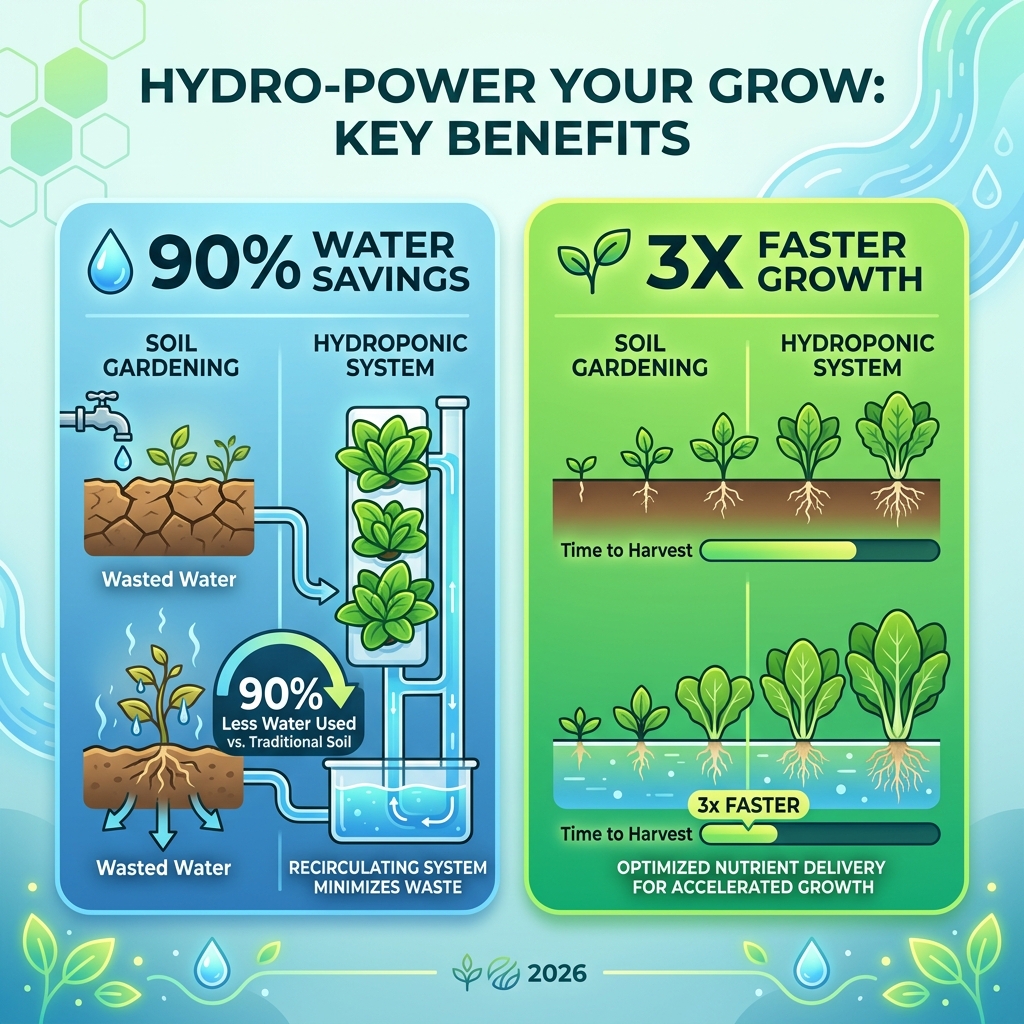
If you live in an apartment with a small balcony — or no outdoor space at all — a hydroponic wall system can turn a blank wall into a working garden. These systems save up to 90–95% more water than traditional soil gardening, and plants can grow up to three times faster.
The catch? Setting one up without understanding the mechanics can get confusing fast. Pumps, reservoirs, pH levels, grow channels — it sounds like a lot.
It doesn’t have to be. This guide walks you through exactly how these systems work, so you can build one without losing your marbles.
Hydroponic wall system helpful reading:
Understanding the Mechanics of a Hydroponic Wall System
When we talk about a hydroponic wall system, we are essentially describing a “living machine.” Unlike a traditional garden where the soil does the heavy lifting of holding water and nutrients, a wall system relies on a closed-circuit loop. This means the water is constantly recycled, which is why these systems are so incredibly efficient.
The core of the system is vertical mounting. By using the vertical plane, we can grow dozens of plants in a footprint that would normally only fit one or two pots. Popular commercial designs utilize this to the max, often fitting 32 or more plants into just a few square feet of wall space.
How the Loop Works
- The Reservoir: This is the “stomach” of your system. It sits at the bottom and holds your water and nutrient solution.
- The Pump: A small submersible pump sits in the reservoir. It is the “heart,” pushing water up through a feed pipe to the top of your wall.
- The Channels/Towers: Water is released at the top and trickles down through growth channels. This is where your plants live, usually tucked into mesh cups with a soil-free medium like clay pebbles or rockwool.
- The Return: Gravity does the work here. After the water passes the roots, it drains back into the reservoir to start the journey all over again.
If you are just starting out, choosing-the-best-vertical-garden-for-balcony-spaces is a great first step to determine if your outdoor area can support the weight and plumbing of a wall-mounted unit. For a broader overview of soilless growing, the hydroponics guide on Wikipedia offers a useful primer on the core concepts behind these systems.
Essential System Components
To build or buy a functional system, you’ll need these basics:
- Water Reservoir: Typically 15 to 20 liters for home systems.
- Submersible Pump: Needs enough “head height” to reach the top of your wall.
- Growth Channels/Trenches: These can be PVC pipes, modular channels, or vertical towers.
- Support Hangers: Heavy-duty brackets to ensure the system doesn’t fall off the wall when full of water.
- Net Cups and Grow Media: To hold the seedlings in place.
- Nutrient Solution: Specialized liquid fertilizer designed for hydroponics.
Comparing NFT vs. SWC in Your Hydroponic Wall System
Not all water delivery methods are created equal. When researching a hydroponic wall system, you will likely run into two main acronyms: NFT and SWC. Understanding the difference is vital for the long-term health of your plants.
Nutrient Film Technique (NFT) This is a common method used in many wall-mounted kits. In an NFT system, a very thin “film” of nutrient-rich water flows over the roots. The main advantage is incredible oxygenation because the tops of the roots are exposed to air. However, because there is so little water in the channels, the roots can dry out in minutes if the power goes out or the pump fails.
Shallow Water Culture (SWC) Many modular systems often utilize a variation of SWC. In this setup, the channels are designed to hold a small amount of water, usually about 1 to 1.18 inches deep, even when the pump is off. This creates a “safety net.” If you lose power for a few hours, your plants will not die because their roots are still submerged in a shallow pool of nutrients.
| Feature | NFT (Nutrient Film Technique) | SWC (Shallow Water Culture) |
|---|---|---|
| Water Level | Thin film (millimeters) | Shallow pool (1+ inches) |
| Oxygen Level | Very High | High |
| Power Outage Safety | Low (roots dry fast) | High (safety reservoir) |
| Cleaning | Easy | Moderate (more sediment) |
For DIY hydroponic systems, SWC is often more beginner-friendly because it is more forgiving of technical hiccups.
Choosing the Right Location for Your Hydroponic Wall System
Location is everything. You can have a high-end green wall system, but if it is in a dark corner with no airflow, your plants will struggle.
Sunlight Requirements Most leafy greens and herbs need at least 3 to 5 hours of direct sunlight. If you want to grow fruiting vegetables like tomatoes or peppers, you will need 5 to 8 hours. If your wall does not get that naturally, do not worry – you can use LED grow lights. Modern full-spectrum LEDs are energy-efficient and can mimic the sun perfectly.
Weight and Distribution A full hydroponic wall system is heavy. Water weighs about 8.3 pounds per gallon. Add the weight of the reservoir, the PVC or plastic channels, and the plants themselves, and you could be looking at 50 to 100 pounds hanging on your wall. Ensure you are mounting into studs or using heavy-duty masonry anchors.
If you are looking for inspiration for outdoor setups, check out these vertical-balcony-garden-ideas to see how others have integrated these systems into small urban spaces.
Benefits of Vertical Growing: Why Go Up?
Why go through the trouble of mounting a garden on a wall? Aside from looking like something out of a sci-fi movie, there are massive practical benefits.
- Water Conservation: Traditional soil gardening is incredibly wasteful—water evaporates or leaches away. A hydroponic wall system recirculates water, saving 90–95% compared to a backyard plot.
- Growth Speed: Because plants don’t have to “search” for nutrients in the soil, they can put all their energy into growing leaves and fruit. It is common for hydroponic plants to grow 2x to 3x faster than their soil-bound cousins.
- Pesticide-Free: Growing indoors or in controlled vertical environments significantly reduces pest pressure. Most users find they don’t need chemical pesticides at all.
- Ergonomics: No more kneeling in the dirt! You can harvest your lettuce at eye level. This is a huge plus for older gardeners or anyone with back issues.
- Space Efficiency: You can grow 32 plants in the space of a single hallway mirror. This is why why-wall-planter-systems-are-the-future-of-interior-design is becoming a major trend in modern architecture.
- Waste Reduction: Statistics show that over half of all store-bought produce gets thrown away. With a wall system, you harvest only what you need for dinner that night. It’s the ultimate “farm-to-table” experience.
Setting Up Your Vertical Oasis
Setting up a hydroponic wall system is a weekend project that requires some basic tools: a drill, a level, a pencil, and a hammer.
Step 1: Mounting the Hardware
Start by marking your wall. Use a level to ensure your channels will be straight—if they are tilted, the water won’t flow evenly, and some plants will starve while others drown. If you’re using a modular system, you’ll install metal hangers or brackets directly into the wall.
Step 2: Placing the Reservoir and Pump
The reservoir should be on a flat, stable surface at the base of the wall. Place your pump inside and connect the feed pipe. This pipe runs up the side of the system to the very top channel.
Step 3: Plumbing Connections
Most systems use simple “plug-and-play” tubing. Ensure your return lines (where the water drains back down) are clear of obstructions. A common mistake is having a return pipe that is too small, which can cause the upper channels to overflow and turn your living room into a swamp.
For more on getting started quickly, see how-to-use-a-vertical-planter-starter-kit-to-grow-food-fast.
Step 4: Seedling Transplantation
Don’t put seeds directly into the wall. Start them in a seedling tray using rockwool or coco coir. Once they have a few “true leaves” and visible roots, tuck them into the net cups. Fill the remaining space in the cup with clay pebbles to provide stability.
Maintenance and Plant Selection for Success
A hydroponic wall system isn’t “set it and forget it,” but it’s much easier than weeding a traditional garden. Most users spend about 10–15 minutes a week on maintenance.
What to Grow
Not every plant loves a vertical life.
- Top Picks: Lettuce, kale, arugula, spinach, basil, cilantro, mint, and strawberries.
- Advanced Picks: Small varieties of peppers, cucumbers, and even “bush” tomatoes.
- Avoid: Large root vegetables like carrots or potatoes (they need deep soil) and heavy vine crops like pumpkins (unless you have a very sturdy trellis).
For those with limited space, vertical-herb-gardening-made-easy-for-tiny-kitchens offers great tips on selecting the right herbs for culinary use.
The Maintenance Checklist
- Weekly: Check the water level. Add fresh water and nutrients as needed.
- Weekly: Monitor pH and EC (Electrical Conductivity). Most plants prefer a pH between 5.5 and 6.5. If the pH is off, the plants can’t “eat” the nutrients, even if they are right there in the water.
- Monthly: Clean the pump filter. Roots can sometimes find their way into the plumbing, so a quick check prevents clogs.
- Between Cycles: When you finish a crop, take the channels down and give them a good scrub with a mild vinegar solution to prevent algae buildup.
For a deeper dive into keeping your system running smoothly, read the-ultimate-guide-to-vertical-garden-maintenance-tips-and-tricks.
Frequently Asked Questions about Hydroponic Walls
What plants grow best in a vertical system?
Leafy greens and herbs are the undisputed champions of the hydroponic wall system. Lettuce, kale, Swiss chard, and herbs like basil and parsley thrive because they have relatively small root systems and love the constant flow of nutrients. Strawberries also do exceptionally well and look beautiful cascading down a wall. You can find more specific recommendations in our guide to top-rated-vertical-wall-garden-kits-for-indoor-use.
How much maintenance is required weekly?
Expect to spend about 15 minutes a week. This usually involves topping off the reservoir, adding a bit of nutrient solution, and checking the pH level with a simple digital meter. Every few months, you’ll want to do a “flush and fill” where you replace all the water in the reservoir to prevent mineral salt buildup. This is much less time-consuming than the hours of weeding and tilling required by soil gardens. More tips on managing your time can be found at choosing-the-best-vertical-garden-for-balcony-spaces-2.
Can I use these systems indoors without sunlight?
Absolutely. In fact, many people prefer it because you can control the environment perfectly. You will need full-spectrum LED grow lights. For leafy greens, aim for 12–14 hours of light per day. For fruiting plants, you might go up to 16 hours. Modern LED kits are designed to be thin and sleek, fitting perfectly over a wall-mounted system without looking like a science experiment gone wrong. Check out choosing-the-best-vertical-garden-for-balcony-spaces-3 for more on indoor light integration.
Conclusion
At Finance Lixo, we believe that sustainable living should be accessible to everyone, regardless of whether you have a sprawling backyard or a tiny studio apartment. A hydroponic wall system is more than just a way to grow food; it’s a commitment to efficiency, health, and a bit of “green” therapy in our high-tech lives.
By moving your garden to the wall, you save water, eliminate the need for back-breaking labor, and ensure that your family has access to the freshest produce possible. It might seem a little intimidating at first, but once you see those first roots stretching into the water, you’ll realize it was the best investment you could make for your home.
Ready to transform your space? Start your vertical journey at Finance Lixo and join the urban farming revolution today!
