
What Can You Grow in a Balcony Garden?
Why Outdoor Balcony Garden Ideas Are Worth Your Attention
Outdoor balcony garden ideas can turn even the smallest concrete ledge into a thriving green retreat. Whether you have a tiny apartment balcony or a spacious rooftop terrace, there is a setup that works for your space, light conditions, and lifestyle.
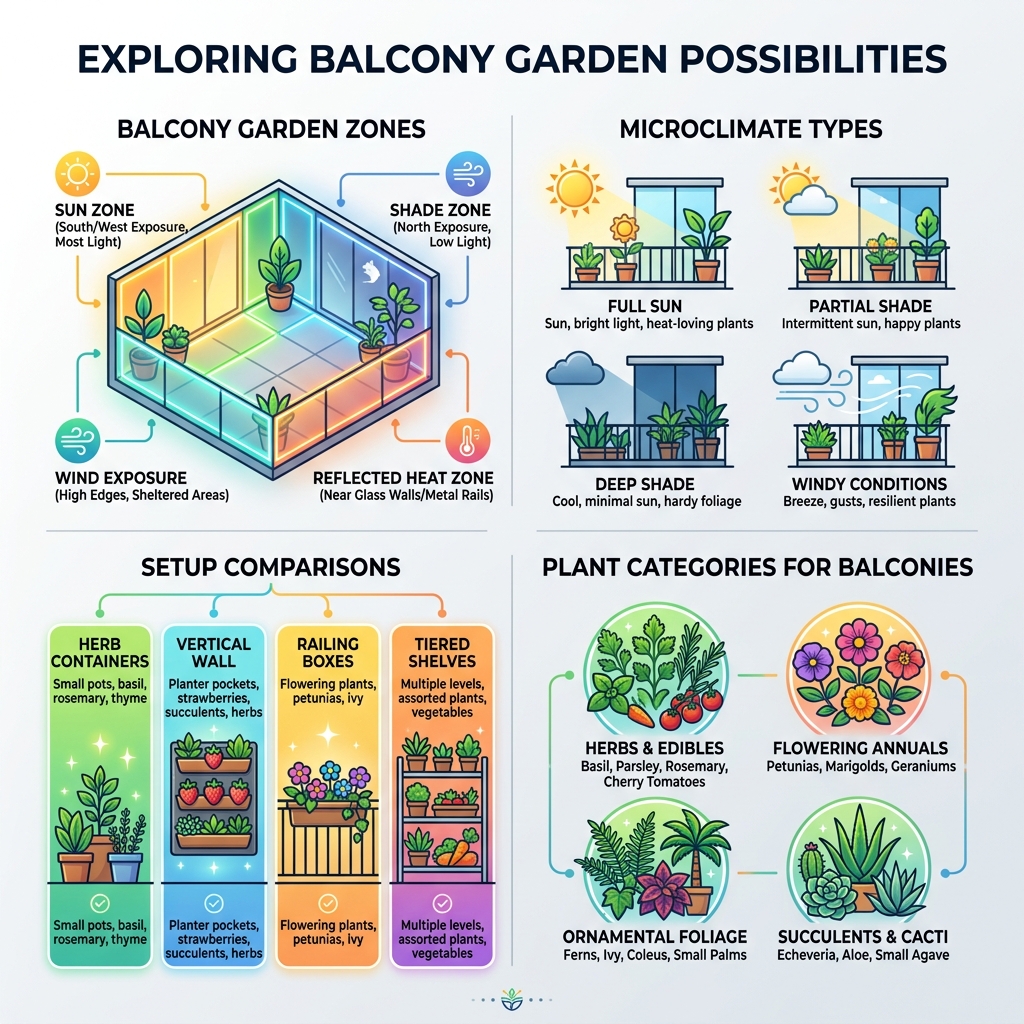
Here is a quick comparison of the most popular balcony garden setups to help you find your best starting point:
| Setup Type | Best For | Effort Level | Space Needed |
|---|---|---|---|
| Herb container garden | Edibles, beginners | Low | Very small |
| Vertical wall planter | Maximizing floor space | Low-Medium | Small |
| Railing planter boxes | Color and curb appeal | Low | Minimal |
| Tiered ladder shelves | Mixed plants, renters | Medium | Small-Medium |
| Full container garden | Variety and impact | Medium-High | Medium-Large |
Most urban apartment dwellers start with one or two containers and quickly discover how much is possible in a few square feet. Balconies create unique growing conditions, including wind exposure, reflected heat, and shifting shade patterns, that affect which plants thrive and where.
The good news? You do not need a lot of space or experience. As one gardening resource puts it, balconies are “the unsung heroes of the exterior design world” with far more potential than most people realize.
This guide walks you through everything: from reading your balcony’s microclimate to choosing the right plants, containers, and watering systems for a setup that actually works.
Assessing Your Microclimate and Building Rules
Before we buy our first bag of soil, we must play detective. A balcony is not just a smaller version of a backyard; it is a unique microclimate. Factors like altitude, wind tunnels between buildings, and reflected heat from glass windows can make a balcony feel like a desert or a wind-swept cliffside.
Sunlight Evaluation
We recommend tracking the sun on your balcony every two hours for three days. “Full sun” generally means six or more hours of direct sunlight. If you are between tall buildings, you might have “partial shade” (4–6 hours) or “full shade.” South-facing balconies are usually sun-drenched, while north-facing ones are cooler and shadier. Understanding these patterns is crucial because even a one-meter shift in light can double a plant’s growth speed.
Wind and Altitude
The higher up you are, the stronger the wind. Wind dries out soil rapidly and can topple lightweight plastic pots. If you live on a high floor, you’ll need heavier containers or a way to secure your plants.
Weight Limits and HOA Restrictions
This is the “safety first” part of our guide. Soil and water are heavy. A large ceramic pot filled with wet soil can weigh hundreds of pounds. Always check your building rules or HOA restrictions regarding weight limits. Some buildings also prohibit hanging planters over the outside of railings for safety reasons. For those looking for a contemporary aesthetic that fits within modern regulations, check out these modern balcony garden ideas for inspiration.
Best Plants for Outdoor Balcony Garden Ideas
Choosing the right plants is where the magic happens. Modern plant breeding has gifted us with “compact” and “dwarf” varieties that are specifically designed to live their best lives in containers.
Top Plant Recommendations
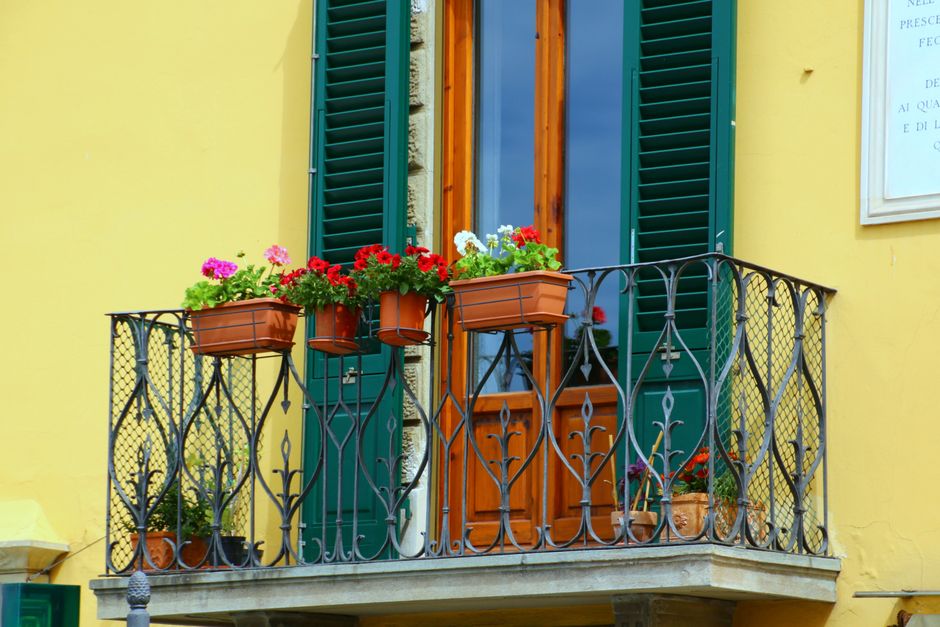
When selecting your greenery, consider the “thriller, filler, spiller” method. Use a tall, eye-catching plant as the “thriller,” mounding plants as “fillers,” and trailing vines as “spillers” to create a professional look.
| Plant Type | Best For | Sunlight Needs | Key Feature |
|---|---|---|---|
| Centennial Ruby™ Hydrangea | Ornamental Impact | Partial Sun | Rich crimson mophead flowers |
| Nitty Gritty Roses | Fragrance/Beauty | Full Sun | Compact, disease-resistant shrub roses |
| Jurassic™ Ferns | Texture/Structure | Shade | Wild, textural fronds for “softening” hardscapes |
| Dahlia Venti PinkBurst | Bold Color | Full Sun | Large blooms on a compact, sturdy frame |
| Beacon Impatiens | Beginners | Shade | High disease resistance and vibrant color |
Edible Outdoor Balcony Garden Ideas
You don’t need an acre to grow dinner. In fact, many experts believe herbs offer the best return on investment for small spaces. High-yield crops like basil, parsley, and cilantro can save you a fortune at the grocery store.
For fruit lovers, look for the Little Ollie® dwarf olive, which provides a Mediterranean feel without outgrowing its pot. Dwarf citrus trees on specific rootstocks (like M27) stay under 1.5 meters, making them perfect for sunny corners. If you want to lean into a lush, productive aesthetic, explore more green balcony ideas.
Low-Maintenance Outdoor Balcony Garden Ideas
If you’re worried about your “black thumb,” start with plants that forgive a missed watering. Succulents are the champions of sunny, dry balconies. For shadier spots, the snake plant and pothos are nearly indestructible; they can survive the odd windstorm or heatwave while you’re away on holiday.
If you are just starting your journey, we have a guide on unleashing your green thumb small balcony gardening ideas that covers the basics of plant care in detail.
Maximizing Vertical Space and Container Selection
In a small space, the only way to go is up! Vertical gardening turns blank walls into living art without sacrificing floor space.
Vertical Solutions
- Ladders: A thrift-store wooden ladder is a renter’s best friend. Lean it against a wall and stack pots on the rungs. It’s a “no-drill” solution that adds instant height.
- Trellises: Perfect for climbing plants like Mandevilla or star jasmine. A 14-inch pot is often enough to support a beautiful flowering vine.
- Railing Boxes: These clip directly onto your rail, utilizing space that would otherwise be wasted.
- Hanging Baskets: These draw the eye upward and are great for “spiller” plants like nasturtiums or petunias.
Choosing the Right Containers
Weight is your biggest enemy on a balcony. While ceramic looks beautiful, it is heavy. We suggest using resin, fiberglass, or plastic pots, which are lightweight and often UV-resistant. Fabric grow bags are another fantastic option; they are light, breathable, and can be folded away in the winter.
For more tips on how to style these elements, see our guide on vertical balcony garden ideas and balcony decor for plants.
Smart Watering and Privacy Solutions
Watering is the most frequent task in balcony gardening. Because containers dry out faster than the ground—especially on windy days—you need a strategy.
Watering Without a Hose
Most of us don’t have a direct hose hookup on our balcony. Lightweight, collapsible watering cans or expandable hoses that attach to your kitchen sink are lifesavers. For a more “hands-off” approach, self-watering containers with built-in reservoirs can keep your plants hydrated for days. You can also use glass watering stakes for a low-tech automatic solution.
Creating a Private Sanctuary
Balconies are often overlooked by neighbors. You can create a “living wall” for privacy using tall grasses or bamboo screens. These don’t just block prying eyes; they also act as windbreaks, protecting your more delicate flowers from being battered by gusts.
To enhance the mood after the sun goes down, consider adding some balcony garden lighting ideas like solar lanterns or string lights. For a deep dive into shielding your space, read more about balcony garden for privacy.
Seasonal Maintenance and Budget DIY Hacks
To keep your garden looking fresh year-round, you don’t need a massive budget. You just need to be smart with where you spend your money.
The 80% Soil Rule
One of the most important statistics in balcony gardening is this: 80% of your budget should be spent on premium soil. High-quality potting mix provides better nutrients, moisture retention, and insulation for roots. Don’t skimp here!
Budget DIY Ideas
- Upcycled Planters: Old wooden crates, painted tin cans, or even sturdy baskets can become planters with a few drainage holes and some outdoor sealer.
- Pallet Walls: A simple wooden pallet can be turned into a vertical herb garden with very little effort.
- Plant Swaps: Instead of buying new plants every season, swap seeds or cuttings with friends.
Winter Protection and Pests
When the temperature drops, move sensitive plants indoors or wrap pots in burlap to insulate the roots. For pests, we recommend natural solutions like neem oil or companion planting (marigolds are great for keeping bugs away from your veggies). For more cost-effective tips, check out our cheap balcony makeover guide.
Frequently Asked Questions about Balcony Gardening
How much sunlight does a balcony garden need?
It depends on what you want to grow! Vegetables generally need 6–8 hours of direct sun. Most herbs can get by on 2–4 hours. If your balcony is mostly shady, stick to “foliage” plants like ferns, hostas, or coleus.
What are the best plants for a windy balcony?
Wind-tolerant plants usually have flexible stems or narrow leaves. Ornamental grasses, gaura, and succulents are excellent choices. Avoid plants with large, delicate petals like hibiscus if your balcony is a wind tunnel. Using heavier pots (or adding stones to the bottom of light ones) will help prevent tipping.
How do I manage watering without a hose?
Use a large, lightweight watering can or an expandable hose that can reach from your indoor faucet. Grouping your pots together also helps create a humid microclimate, which reduces the amount of water lost to evaporation.
Conclusion
At Finance Lixo, we believe that everyone deserves a slice of nature, regardless of their zip code or floor number. Transforming a plain balcony into a lush retreat is one of the most rewarding DIY projects you can undertake. It improves air quality, reduces stress, and provides a beautiful space to enjoy your morning coffee.
By understanding your sunlight, choosing the right compact plants, and thinking vertically, you can create a garden that rivals any backyard. Whether you want a tiny herb station or a full-blown tropical jungle, the possibilities are limited only by your imagination.
Start your garden transformation today and see how a few green leaves can change your entire outlook on urban living!
