
Foolproof Balcony Plants That Actually Want to Live
Introduction
Your Balcony Deserves Plants That Actually Survive
Low maintenance balcony plants are the easiest way to turn a bare outdoor slab into a green retreat — even if you’re busy, forgetful, or convinced you have a black thumb.
Here are the best low maintenance balcony plants to start with:
| Plant | Light Needed | Watering Frequency | Best For |
|---|---|---|---|
| Succulents (Echeveria, Sedum) | Full sun | Once a month | Sunny, dry balconies |
| Calibrachoa (Million Bells) | Full sun (6-8 hrs) | Every 1-2 days | Hanging baskets, color |
| Geraniums | Full sun | Moderate | Beginners, any balcony |
| Spider Plant | Shade/indirect light | Weekly | Shady balconies, hanging |
| Lavender (dwarf) | Full sun | Low | Fragrance, sunny spots |
| Kalanchoe | Partial shade | Very low | Drought-tolerant pots |
| Hostas | Full shade | Moderate | North-facing balconies |
| Rosemary | Full sun | Low | Edible + ornamental |
Most city apartment balconies sit somewhere between “too sunny and windy” and “permanently shaded by the building next door.” The plants you pick need to handle those real-world conditions — not just look good in a garden center photo.
The good news? Plenty of plants thrive on a bit of neglect. Succulents, for example, are widely considered the easiest option for container gardening outdoors — they’re drought-tolerant, compact, and ask very little of you. But they’re far from the only choice.
Whether your balcony gets blasted by afternoon sun or barely sees daylight, there’s a plant that fits.
Top Low Maintenance Balcony Plants for Every Sunlight Level
Before you run to the nursery and “buy all the plants” (a tempting but dangerous move!), we need to talk about microclimates. Your balcony isn’t just a mini-yard; it’s a unique environment shaped by wind, height, and surrounding buildings.
A successful garden starts with a quick honest assessment. Does your balcony feel like a magnifying glass in the afternoon? That’s high heat tolerance territory. Is it tucked away in a permanent shadow? You’ll need shade-seekers. Understanding these nuances is the secret sauce to keeping low maintenance balcony plants alive.
If you are blessed with a spot that sees the sun for most of the day, you’ll want to look into Choosing the Right Plants for a Sunny Balcony. Conversely, if your view is mostly brick walls and shadows, don’t despair. There are plenty of Gardening Without Sunlight Tips for Shady Balconies that prove you don’t need a direct line to the sun to go green.
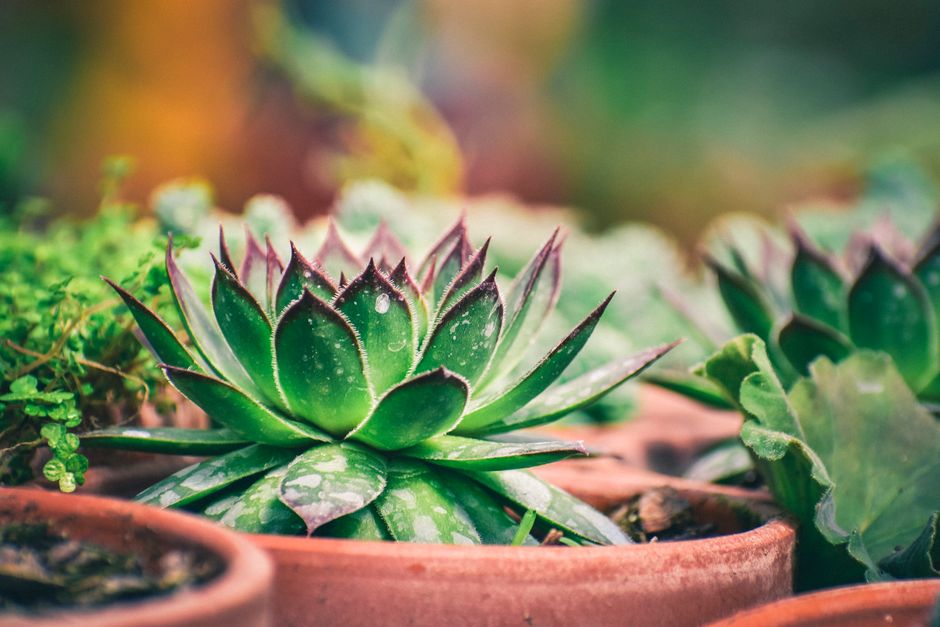
Sun-Drenched Stars: Calibrachoa and Succulents
If your balcony is a sun trap, you need plants that won’t wilt the moment you step out for a coffee.
Calibrachoa (Million Bells) is the undisputed champion of the sunny balcony. These plants produce a literal explosion of bell-shaped flowers from spring all the way to fall. The best part? They are “self-cleaning.” In gardener-speak, that means you don’t have to spend your Saturday morning “deadheading” (pinching off dead flowers). They simply grow right over the old blooms.
Then there are the succulents. Echeveria, Sedum, and Hens and Chicks are practically un-killable. These plants store water in their fleshy leaves, meaning they can survive weeks without a drink. They love arid, dry, sunny spots and spread easily to fill up a pot. If you’re unsure how much light your specific corner gets, Understanding Sunlight Needs for Balcony Plants can help you categorize your space accurately.
Shady Survivors: Hostas and Spider Plants
Shady balconies often suffer from “fern envy,” but many ferns can be finicky. Instead, we recommend the Boston Fern for its lush, tropical look, or the incredibly hardy Spider Plant.
Spider plants are beginner-friendly and thrive in mostly shade. They are particularly fun because they produce “babies” on long stems that dangle down, making them perfect for hanging. Just be careful with the water you use; they can be a bit sensitive to fluoride in tap water, so rain or distilled water is a nice treat for them.
For foliage lovers, Hostas and Coleus are the way to go. Hostas come in various shades of green and blue-green and are very happy in pots, which actually helps protect them from garden pests like deer or snails. If you want a pop of color without flowers, Coleus offers vibrant, multicolored leaves that brighten up even the darkest corners. You can find more inspiration in our list of the Best Flowers for a Shaded Balcony.
If you’re transitioning indoor favorites to the outdoors, The Best Indoor Plants for Your Balcony often need a “hardening off” period to get used to the breeze and temperature shifts.
Essential Gear: Pots and Soil for Success
Choosing the right home for your plants is just as important as the plants themselves. On a balcony, weight and drainage are your two biggest hurdles.
| Pot Material | Pros | Cons | Best For |
|---|---|---|---|
| Terra Cotta | Breathable, classic look, heavy (won’t blow over) | Dries out fast, can crack in frost | Succulents, Rosemary |
| Plastic | Lightweight, cheap, retains moisture | Can look “cheap,” might blow away if light | Shade plants, Ferns |
| Fiberglass | Very durable, lightweight, stylish | More expensive | Large statement plants |
Regardless of the material, drainage holes are non-negotiable. Without them, water sits at the bottom, and your plants’ roots will literally drown. We also recommend using a high-quality, lightweight potting mix rather than garden soil. Garden soil is too heavy for containers and can become compacted, making it hard for roots to breathe.
If you’re a “set it and forget it” type of person, you should look into Unleashing the Power of Self Watering Pots for Balcony Gardens. These pots have a reservoir at the bottom that allows the plant to drink as needed. For those starting on a shoestring, a Budget Friendly Balcony Gardening Setup can involve upcycling old crates or using fabric grow bags.
Smart Care Strategies for Busy Gardeners
The goal of a low-maintenance garden is to maximize beauty while minimizing “chores.”
The “Finger Test” is your best friend: stick your finger an inch into the soil. If it feels dry, water it. If it’s still damp, leave it alone. Overwatering kills more balcony plants than underwatering ever will!
For feeding, we suggest using a slow-release fertilizer mixed into the soil at planting time. This acts like a time-release vitamin for your plants, feeding them for months so you don’t have to remember to use liquid fertilizer every week. For more foundational tips, see our Quick and Easy Beginners Guide to Balcony Gardening.
Drought-Tolerant Low Maintenance Balcony Plants
For those who travel often or simply forget the watering can exists, drought-tolerant species are a must.
Kalanchoe is a standout here. It’s a succulent perennial that produces clusters of tiny, bright flowers. It needs very little water and only one light application of fertilizer a year. You can dive deeper into its specifics with this Kalanchoe blossfeldiana Care and Management profile.
Another excellent choice is the Baby Sunrose (Aptenia cordifolia). This plant is a low-growing succulent that works beautifully as a ground cover in a large pot or cascading over the edges of a container. It has high drought tolerance and loves the sun. Learn more about its “un-killable” nature in the Aptenia cordifolia Plant Profile.
Don’t forget herbs! Rosemary is one of the toughest plants out there. Because it originates from the Mediterranean, it loves heat and can handle dry soil. It’s both ornamental and delicious, making it a top pick in The Best Herbs for Balcony Gardening.
Trailing Beauty: Low Maintenance Balcony Plants for Hanging Baskets
Hanging baskets are the “eye candy” of the balcony world. To get that lush, overflowing look, you need “spiller” plants.
- Petunias: Classic, colorful, and relatively tough. They love the sun and will bloom continuously if you give them a quick trim in mid-summer.
- Geraniums: These are the old-school balcony favorites for a reason. They handle temperature fluctuations like pros and come in stunning reds, pinks, and whites.
- Tradescantia zebrina: Often called “Wandering Dude,” this plant has striking purple and silver striped leaves. It grows incredibly fast and is very easy to propagate—just snip a piece and put it in water.
Using these Fast Growing Plants for Small Balconies allows you to see results quickly, which is great for maintaining your gardening motivation!
Maximizing Small Spaces and Privacy
Even the tiniest balcony can feel like a private oasis if you think vertically. Vertical gardening isn’t just a trend; it’s a necessity for urban dwellers.
You can use trellises for climbing plants like Clematis or even English Ivy to create a living green wall. This not only looks great but acts as a natural windbreak and privacy screen. If you have a bit of a green thumb for edibles, you might be surprised to learn you can grow Dwarf Fruit Trees Perfect for Balconies or even follow a guide on How to Grow Strawberries on Your Balcony using vertical “strawberry towers.”
Frequently Asked Questions about Balcony Gardening
Which balcony plants are safe for pets and children?
Safety first! If you have a curious cat or a toddler, you’ll be happy to know that Spider Plants and Calibrachoa are non-toxic. Many succulents are also safe, but always double-check specific varieties (avoid Sago Palms or certain types of Aloe if you’re worried about nibbling). If you’re interested in plants that are not just safe but actually helpful, look into the Grow Your Own Medicine Best Medicinal Plants for Balconies.
How do I protect my plants from high winds on upper floors?
High-floor balconies can be like wind tunnels. To prevent your garden from taking flight:
- Use heavy pots: Terra cotta or heavy ceramic are less likely to tip than plastic.
- Choose wind-tolerant species: Olive trees and Bay trees have tough leaves that can handle a breeze.
- Low profiles: Keep taller plants in the corners or near the wall, and use lower-profile containers for the railing.
- Privacy screens: A sturdy bamboo screen can act as a windbreak for more delicate flowers.
Can these plants survive outside during the winter?
This depends entirely on your hardiness zone. Most low maintenance balcony plants mentioned here, like Calibrachoa and many succulents, are treated as annuals in colder climates—meaning they live for one season. However, evergreens like English Ivy or certain dwarf conifers can stay out year-round. If you have a favorite perennial, you might need to bring it indoors once the frost hits or wrap the pot in burlap to protect the roots from freezing.
Conclusion
At Finance Lixo, we believe that sustainable urban living starts right outside your door. You don’t need a massive backyard or hours of free time to enjoy the mental and aesthetic benefits of a garden. By choosing the right low maintenance balcony plants, you’re setting yourself up for beginner success and a greener home.
Whether you start with a single pot of rosemary or a full-blown vertical jungle, the key is to just start. Your balcony is waiting to become your new favorite “room” in the house.
Start your garden journey today and transform your urban space into a thriving oasis!
