
The Easiest Plants You’ll Ever Own (No Green Thumb Required)
Air plants low maintenance care is real — these tiny, soil-free plants are genuinely one of the simplest living things you can keep in your home.
Here’s a quick summary of what you need to know:
- Water: Soak in room-temperature water for 20–30 minutes once a week, then shake off excess and dry upside down
- Light: Bright, indirect light near a window — no direct sun
- Temperature: Keep between 50–90°F (10–32°C)
- Soil: None needed, ever
- Repotting: Never required
- Fertilizing: Optional — a diluted bromeliad fertilizer once a month is enough
That’s basically it.
Air plants (genus Tillandsia) are epiphytes — meaning they grow without soil, anchoring themselves to rocks, branches, or whatever surface you choose. They absorb water and nutrients through tiny hair-like structures on their leaves called trichomes. No roots in dirt, no pots to manage, no mess.
For anyone living in a small apartment with limited space and zero desire to babysit a plant, air plants are a near-perfect fit. They sit on a shelf, hang in a glass globe, or perch on a piece of driftwood — and they look like something from another planet doing it.
With over 600 species in the Tillandsia family, there’s a size, shape, and texture for every taste. Most small varieties range from 1 to 4 inches, making them ideal for compact spaces.
Why Air Plants Low Maintenance Features Are Perfect for Beginners
If you’ve ever felt the sting of a wilted fern or the heartbreak of a rotted succulent, air plants are here to redeem your gardening reputation. The primary reason air plants low maintenance appeal is so strong is their biological independence from soil. In the wild, these plants are often found “perched” on tree branches, rocks, or even telephone lines throughout Mexico and Central and South America.
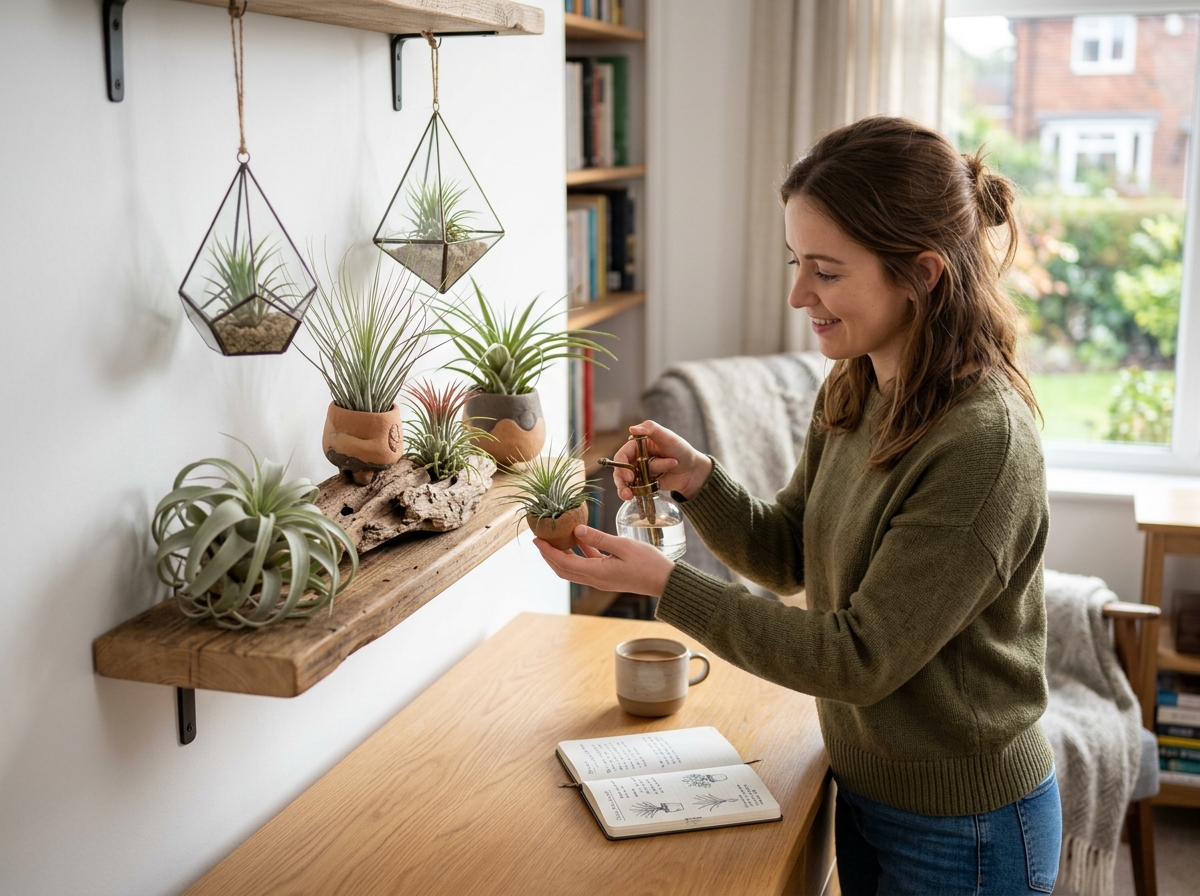
Because they are epiphytes, their roots serve only one purpose: acting as “holdfasts” to anchor them to a surface. They don’t drink through their roots. Instead, they use specialized silvery scales called trichomes on their leaves to capture moisture and nutrients directly from the air, fog, or rain. This unique anatomy means you never have to worry about repotting or finding the right soil mix.
Another beginner-friendly feature is their “visual care indicators.” Unlike some plants that die silently, air plants tell you exactly what they need. If the leaves start to curl or look wrinkled, they are thirsty. If the base feels soft or looks dark, they’ve had too much water. This clear communication makes creating a green oasis much easier for those just starting out. As noted in the Almanac guide to air plants, they are almost like house pets—interactive, unique, and incredibly rewarding to watch as they grow.
Step-by-Step Care Guide for Your New Plants
While they are “air” plants, they cannot survive on air alone. To keep your air plants low maintenance routine successful, you need a consistent watering schedule. We recommend a weekly ritual that ensures your plants stay hydrated without risking the dreaded “crown rot.”
- The Weekly Soak: Once a week (or every 10 days), submerge your entire air plant in a bowl of room-temperature water. Let it bathe for 20 to 30 minutes. If you live in a very dry climate or have the heater running constantly, you might need to extend this soak or add a mid-week misting.
- The Shake-Down: After the bath, remove the plant and gently shake it. You want to get all the excess water out from between the leaves.
- The Upside-Down Dry: This is the most critical step. Place your plants upside down on a clean towel in a spot with good air circulation. They must be completely dry within four hours. If water sits in the “crown” (the center base) for too long, the plant will rot and fall apart.
- Water Quality Matters: Use rainwater or filtered tap water that has sat out for 24 hours to let chlorine dissipate. Avoid distilled water, as it can actually leach minerals out of the plant, and stay away from softened water which contains salts that can clog those delicate trichomes.
Proper hydration is the secret to keeping your plants hydrated and thriving. According to the RHS air plant advice, superior airflow is just as important as water; these plants evolved to live in breezy canopies, so don’t tuck them away in stagnant corners.
Ideal Lighting for Air Plants Low Maintenance Success
Light is the fuel for your air plant’s growth. Most varieties crave bright, indirect sunlight. Think of the dappled light they would receive under a tree canopy. A south or east-facing window is usually perfect, provided the plant is a few feet away from the glass or protected by a sheer curtain.
Be careful with direct afternoon sun, which can scorch the leaves and turn them brown and brittle. If you’re unsure about your home’s light levels, understanding sunlight needs is a great place to start. For those in darker apartments, air plants can also thrive under full-spectrum fluorescent office lighting, making them excellent desk companions.
Temperature and Airflow for Air Plants Low Maintenance
Air plants are tropical at heart. They are happiest in temperatures between 50°F and 90°F. Basically, if you are comfortable, they are comfortable. Just keep them away from cold drafts in the winter and avoid placing them directly on top of a hot radiator, which will suck the moisture right out of them.
Ventilation is the “secret sauce” of air plant health. Because they lack soil to buffer moisture, they rely on moving air to dry out after watering and to prevent fungal issues. If you’re displaying them in glass globes or terrariums, ensure there are large enough openings for air to circulate. As the Gardenia guide for Tillandsia ionantha suggests, these plants are remarkably adaptable to indoor environments as long as they aren’t suffocated.
Top 5 Beginner-Friendly Air Plant Varieties
Not all air plants are created equal. Some are “mesic” (from humid rainforests) and some are “xeric” (from dry deserts). For beginners, we recommend starting with an assortment that offers a mix of textures and sizes. Here are our top picks:
| Variety | Typical Size | Unique Feature | Light Needs |
|---|---|---|---|
| Ionantha Rubra | 1-3 inches | Turns bright red before blooming | Bright, Indirect |
| Caput-Medusae | 4-8 inches | Snake-like, twisting leaves | Bright, Indirect |
| Tillandsia Xerographica | 8-12+ inches | The “Queen” of air plants; large and silvery | High, Indirect |
| Velutina | 3-5 inches | Soft, velvety leaves with a silvery sheen | Bright, Indirect |
| Ionantha Fuego | 1-2 inches | Stays a “fiery” red color with enough light | Bright, Indirect |
The Ionantha family is particularly popular because they are small, hardy, and put on a spectacular show by changing color (“blushing”) when they are ready to flower. If you are looking for a statement piece, the Xerographica is a showstopper that can grow up to three feet across in its natural habitat, though it stays more manageable indoors. These varieties look stunning when displayed in hanging planters or mounted on vertical wall displays.
Frequently Asked Questions about Air Plant Care
How often do I need to water my air plants?
For most homes, a weekly soak for 20 minutes is the gold standard. However, you should adjust based on your environment. If your plant’s leaves are curling inward more than usual, it’s dehydrated—give it a longer soak (up to an hour). If you notice the tips turning brown, it might need more frequent misting between baths.
Can air plants produce new baby plants?
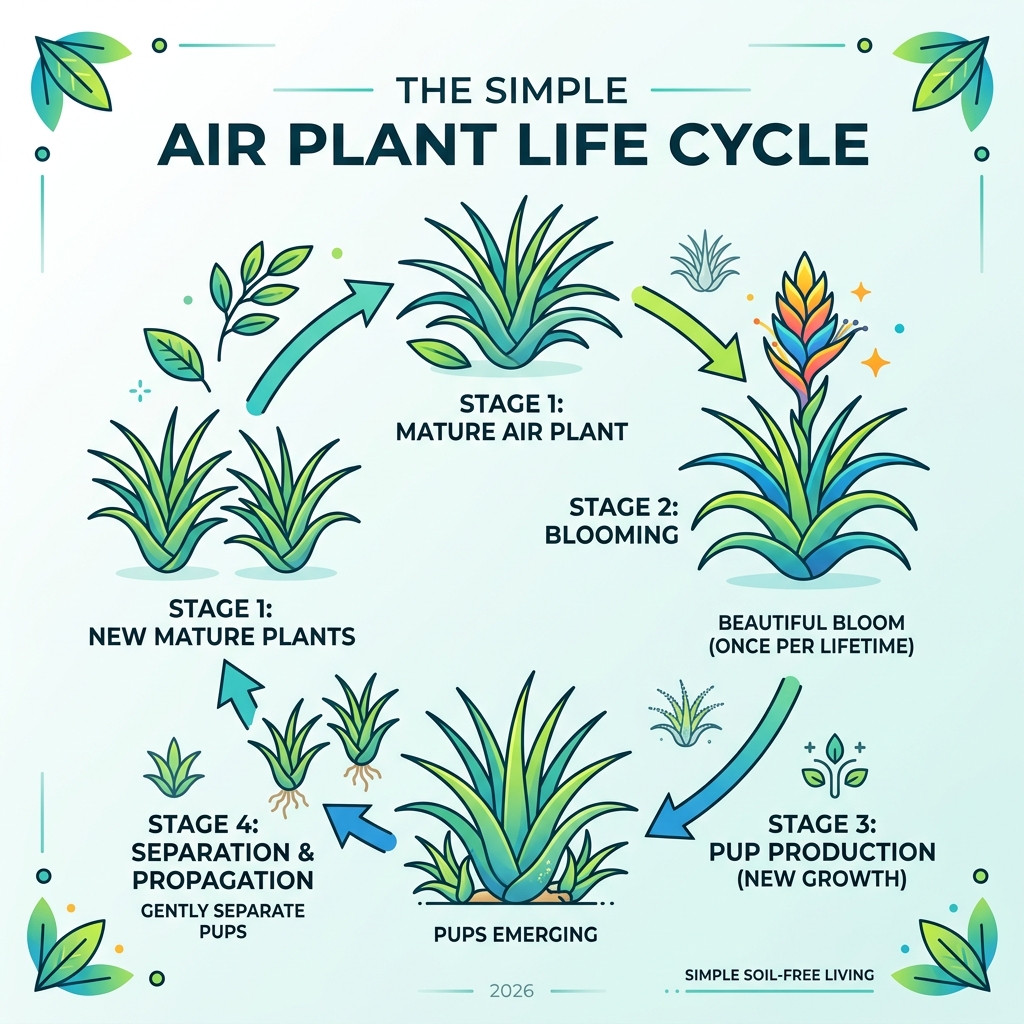
Yes! This is one of the most exciting parts of owning them. Air plants bloom only once in their lifetime. After the bloom fades, the mother plant will redirect her energy into producing “pups” or offsets at her base. Once these pups reach about one-third the size of the mother, you can gently twist them off to start a new plant, or leave them attached to create a beautiful “clump” over time.
Do air plants need special fertilizer?
While not strictly necessary for survival, fertilizing can encourage faster growth and more vibrant blooms. Use a bromeliad-specific fertilizer (which is urea-free) once a month during the spring and summer. Simply add it to your soaking water at about half-strength. This extra boost is covered in more detail in our ultimate apartment gardening guide.
Conclusion
At Finance Lixo, we believe that your home should be a sanctuary, not a source of stress. Embracing the air plants low maintenance lifestyle allows you to enjoy the psychological benefits of greenery—cleaner-feeling air and a touch of nature—without the heavy lifting of traditional gardening.
Whether you’re living in a high-rise apartment or just looking for a unique gift that won’t die in a week, Tillandsia species are the perfect “roommates.” They are quiet, they don’t make a mess, and they only ask for a quick bath once a week. Ready to transform your space? Start your indoor garden today and discover how easy it is to grow these exotic, soil-free wonders.
