
Why Wall Planter Systems Are Transforming How We Live Indoors
Wall planter systems are vertical gardening structures that let you grow plants directly on your walls — indoors or outdoors — without needing a yard or large floor space.
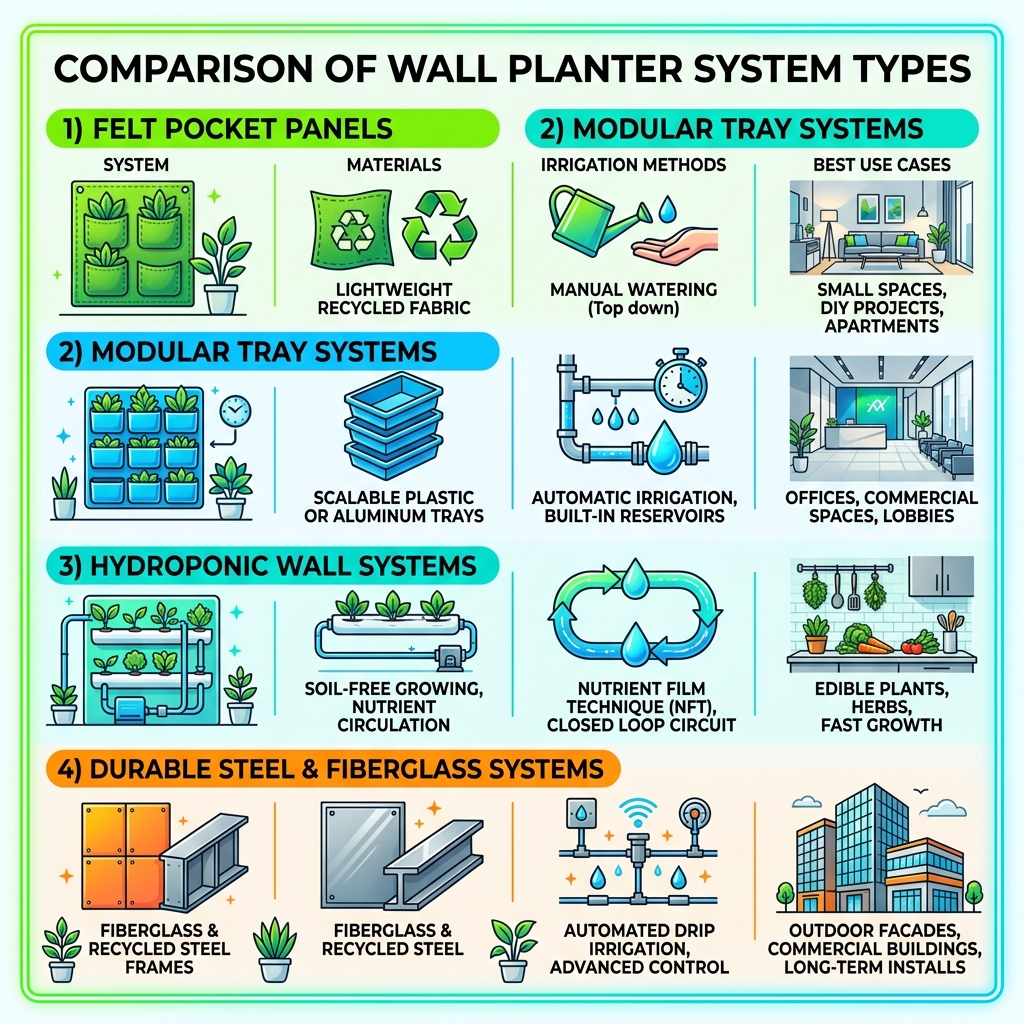
Here’s a quick overview of the main types available today:
| System Type | Best For | Key Feature |
|---|---|---|
| Felt pocket panels | Small spaces, DIY | Lightweight, recycled fabric |
| Modular tray systems | Offices, schools | Automatic watering, scalable |
| Hydroponic wall systems | Edible plants, fast growth | Soil-free, NFT water circuit |
| Fiberglass wall planters | Outdoor facades, commercial | Durable, fully customizable |
| Recycled steel frame systems | Long-term installs | Built to last 25+ years |
If you live in an apartment with a tiny balcony — or no balcony at all — the idea of growing your own plants can feel out of reach. But it doesn’t have to be.
Modern wall planter systems have changed the equation completely. You don’t need ground. You need wall space.
These systems range from simple felt pocket panels you can hang in minutes, to fully automated hydroponic setups that water themselves and grow vegetables year-round. Some are made from 100% recycled materials. Others are engineered to last decades and survive extreme temperatures.
The challenge? There are a lot of options — and they work very differently from each other.
This guide breaks down every major type of wall planter system so you can find the right fit for your space, your plants, and your lifestyle.
Understanding the Different Types of Wall Planter Systems
When we talk about wall planter systems, we aren’t just talking about a few pots screwed into a plank of wood. We are looking at engineered technologies designed to keep plants alive in a vertical environment. Each system has a unique way of handling weight, water, and root health.
Felt Pocket Systems
One of the most popular and sustainable options involves pleated felt pockets. These systems use horticulture fabric often made from 100% recycled plastic water bottles. The fabric is incredibly tough and won’t decay. Plants are typically wrapped in breathable root pouches and slid into the pockets. This allows the roots to breathe and eventually grow into the felt itself.
Modular Tray and Grid Systems
For those looking for a cleaner, more structured look, modular tray systems are a go-to. These often feature rigid plastic or metal trays that hook onto a rail system. Some high-end versions use recycled steel frames and can even sustain plants for up to 14 days during a power outage thanks to pre-filled water trays.
Hydroponic Wall Canals
If your goal is to grow food, hydroponic systems are the gold standard. These systems use the Nutrient Film Technique (NFT), where water and nutrients circulate through closed canals. There is no soil involved, which means no mess and faster growth rates for vegetables like cucumbers, peppers, and even watermelons. If you want a quick technical reference for how NFT works, the Wikipedia overview of Nutrient Film Technique is a helpful starting point.
Fiberglass and Basin Systems
For large-scale commercial projects or outdoor facades, fiberglass basins offer unmatched durability. These are often custom-made to fit specific architectural dimensions and can withstand extreme freeze/thaw cycles without cracking. They are much lighter than stone or concrete but offer a similar high-end aesthetic.
If you are specifically looking to green up a small outdoor area, check out our guide on choosing the best vertical garden for balcony spaces.
Material Durability and Sustainability
We believe that the future of design must be sustainable. Many modern wall planter systems prioritize eco-friendly materials:
- Recycled Plastics: Many pocket systems turn thousands of discarded water bottles into breathable horticulture felt.
- Automotive-Grade ABS: Used in high-end modular systems, this UV-resistant plastic is the same material used for car bumpers, ensuring it won’t get brittle in the sun.
- Recycled Steel: Some systems are built to last 25 years or more, using powder-coated steel that can handle temperatures from -20°C to 80°C.
- BPA-Free Materials: Essential for hydroponic food systems, ensuring that no harmful chemicals leach into your homegrown tomatoes or herbs.
Choosing Between Soil-Based and Hydroponic Wall Planter Systems
The “Soil vs. Hydro” debate depends on your goals. Soil-based systems are generally more forgiving for beginners and support a wider variety of ornamental plants. They use specialized wrapping technology to keep the soil contained while allowing air to reach the roots.
Hydroponic systems, on the other hand, are cleaner (no dirt!) and more efficient. They rely on moisture-wicking fabric or a constant film of nutrient-rich water. While they require a bit more technical setup, the growth rates are significantly higher, making them perfect for urban farmers.
How Modern Irrigation and Technology Power Vertical Growth
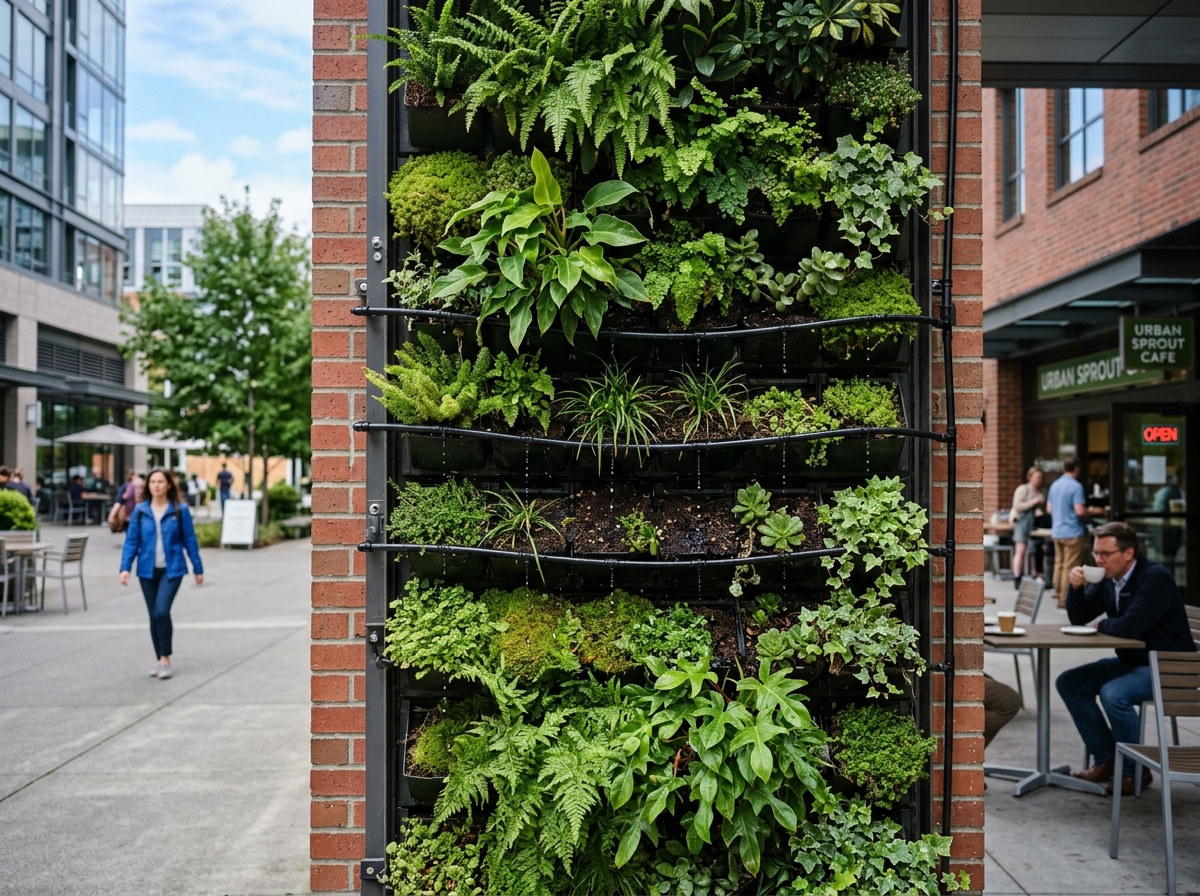
The biggest fear most people have with a vertical garden is: How do I water the ones at the top without drowning the ones at the bottom?
Modern wall planter systems have solved this through clever engineering. You don’t need to stand there with a watering can every morning. In fact, for many systems, you only need to interact with them once a week.
For more inspiration on how to integrate these into your home, see our vertical balcony garden ideas.
Water Distribution in Advanced Wall Planter Systems
There are three primary ways these systems distribute water:
- Microfiber Capillary Action: In felt systems, you only water the top row. The microfibers in the fabric act like a wick, pulling moisture down through the entire panel. This creates a consistent moisture level without “pooling” at the bottom.
- Top-Down Gravity Feed: Advanced systems mimic natural rainfall. Water is delivered via hidden rails at the top and trickles down, oxygenating the roots as it moves.
- Closed-Loop Recirculation: Many indoor kits include a built-in reservoir and pump. The water is pumped to the top, drips through the plants, and collects back in the tank to be reused. This is incredibly water-efficient and prevents any leaks on your floor.
Some smart systems even include LED indicators: Red means the reservoir is empty, Blue means it’s adequate, and Green means it’s full. It’s gardening for the digital age!
Key Benefits: Why Living Walls are Essential for Modern Spaces
Beyond looking like a scene from a sci-fi jungle, wall planter systems provide tangible health and financial benefits.
- Air Purification: Plants are natural filters. A large living wall can significantly increase oxygen levels and natural humidity in a room, reducing the “stale air” feeling common in modern offices.
- Acoustic Insulation: If you live in a noisy city, a felt-based wall system acts as a giant sound absorber. The layers of fabric and foliage break up sound waves, making your home or office noticeably quieter.
- Thermal Regulation: In the summer, the transpiration from the plants cools the air. In the winter, the system acts as an extra layer of insulation for your walls, potentially lowering energy bills.
- Mental Well-being: Studies consistently show that “biophilic design” (bringing nature indoors) reduces stress and boosts productivity. In healthcare settings, patients in rooms with views of nature have even been shown to recover faster.
If you’re looking for smaller-scale options, you might enjoy reading about the best hanging planters for balcony gardens.
Installation and Customization of Your Vertical Garden
Installing a wall planter system is often easier than hanging a large television.
DIY Kits vs. Professional Mounting
Most home-scale systems come as DIY kits. For example, a standard 4-pocket living wall system can be hung on simple hooks or mounted to a wood frame.
For larger installations, professional systems use specialized brackets to conceal irrigation lines and clips to ensure the panels don’t catch the wind on high-rise balconies. If you are mounting on a railing rather than a wall, you’ll want to consult a comprehensive guide to balcony railing planters.
Scalability and Custom Finishes
One of the best features of professional vertical garden systems is that they are modular. You can start with a small 3ft x 2ft grid and eventually cover an entire 30-foot-high facade using a single irrigation line at the top.
If aesthetics are your primary concern, fiberglass planters can be ordered in various finishes — from Matte to High Gloss — and in custom colors to match your brand or home decor.
Maintenance and Plant Selection for Long-Term Success
Maintenance is the “make or break” for any vertical garden. Fortunately, modern technology has made it much less of a chore.
| Plant Type | Best System | Light Needs | Maintenance Level |
|---|---|---|---|
| Pothos / Philodendron | Felt Pockets | Low to Medium | Very Low |
| Succulents | Modular Trays | High / Direct Sun | Low (don’t overwater!) |
| Herbs (Basil, Mint) | Hydroponic | High / Grow Lights | Medium (need nutrients) |
| Ferns | Felt Pockets | Medium / Shady | Medium (need humidity) |
For those looking to hang their systems securely, especially heavier soil-based ones, we recommend checking out the ultimate guide to heavy-duty balcony railing hooks.
Maintenance Tips:
- Watering: Most systems recommend irrigating 4 times a day for short bursts (5-10 minutes) for outdoor walls, or just once a day for indoor low-light setups.
- Nutrients: For hydroponic systems, you’ll need to add liquid fertilizer to the reservoir about once a week.
- Pruning: Because plants in these systems grow so well, you’ll need to trim them back occasionally to keep the design looking intentional and to prevent one plant from “shading out” its neighbors.
Frequently Asked Questions about Wall Planter Systems
What are the best plants for indoor wall planter systems?
For indoor environments, you want “bulletproof” plants that handle lower light well. Pothos, Philodendrons, and Snake Plants are the champions of the living wall world. If you have a bit more light, Ferns and Peace Lilies add incredible texture. Always group plants with similar water needs together in the same panel.
How often do vertical garden systems need watering?
It depends on the system. Automatic drip systems are usually set to run for a few minutes several times a day. If you have a recirculating system with a reservoir, you typically only need to refill the tank once a week. In cooler weather or low-light indoor spots, you can often reduce watering to just a few times a week.
Can wall planter systems be installed on any wall type?
Yes, but you must use the right hardware.
- Drywall: Requires heavy-duty anchors or mounting into studs.
- Masonry/Brick: Requires masonry screws.
- Moisture Barriers: Most professional systems include a built-in plastic backing or air gap to ensure moisture never touches your actual wall.
Conclusion
Wall planter systems are no longer just a luxury for high-end hotels or corporate headquarters. With the rise of affordable DIY kits and smart, self-watering technology, anyone can transform a sterile wall into a breathing, vibrant ecosystem.
Whether you choose a sustainable felt pocket system made from recycled bottles or a high-tech hydroponic setup for your kitchen herbs, you are investing in the long-term value of your space. These systems improve our air, our mood, and our connection to the natural world.
At Finance Lixo, we believe that biophilic design is the future of sustainable architecture. By moving our gardens from the ground to the walls, we reclaim our urban spaces and bring the calming power of nature back into our daily lives.
Ready to start your vertical journey? Explore more info about vertical gardening services and find the perfect system for your home today.
